Adams Garage Doors LLC

How to Compare Affordable Garage Door Repair Estimates in Virginia

A garage door problem never seems to happen at a convenient time.

You are rushing to work, the kids are waiting in the car, and suddenly the garage door refuses to open. Or maybe it has been making a strange noise for weeks, and today it finally stopped working.

Your first thought may be simple: “How much is this going to cost?”

Then you start calling garage door companies. One gives you a low estimate. Another gives you a much higher number. Suddenly, you are left wondering which quote is actually fair.

This is where knowing how to compare affordable garage door repair estimates can save you money, time, and a lot of stress.

For Virginia homeowners, the goal should not be finding the cheapest number on the page. It should be finding a fair price for the right repair.

Why Garage Door Repair Estimates Can Be Different:

Two companies can look at the same garage door and provide different estimates. That does not automatically mean one company is overcharging.

The final price can depend on several things, including:

  • The type of problem
  • Parts that need replacement
  • Garage door size and design
  • Labor involved
  • Door condition
  • Emergency or after-hours service
  • Quality of replacement parts
  • Additional damage was found during inspection

For example, current 2026 pricing guides show that garage door repairs can vary widely depending on the issue. This Old House reports a national repair range of about $98–$860, while HomeAdvisor lists a typical 2026 range of $155–$379. 

These figures are useful as general reference points, but they should not be treated as a fixed Virginia price. Your garage door may need a completely different repair.

Garage Repair Estimates

Don’t Choose a Quote Just Because It Is the Lowest

Imagine you receive three estimates.

  • The first is $180.
  • The second is $300.
  • The third is $340.

Naturally, the $180 quote looks attractive.

But what if the first estimate covers only one part while the other quotes include labor, adjustment, testing, and additional necessary components?

Suddenly, the cheapest estimate may not be the cheapest solution.

When comparing affordable garage door repair, always ask what is included in the quoted price.

A good estimate should make it easier to understand what you are paying for—not leave you with more questions.

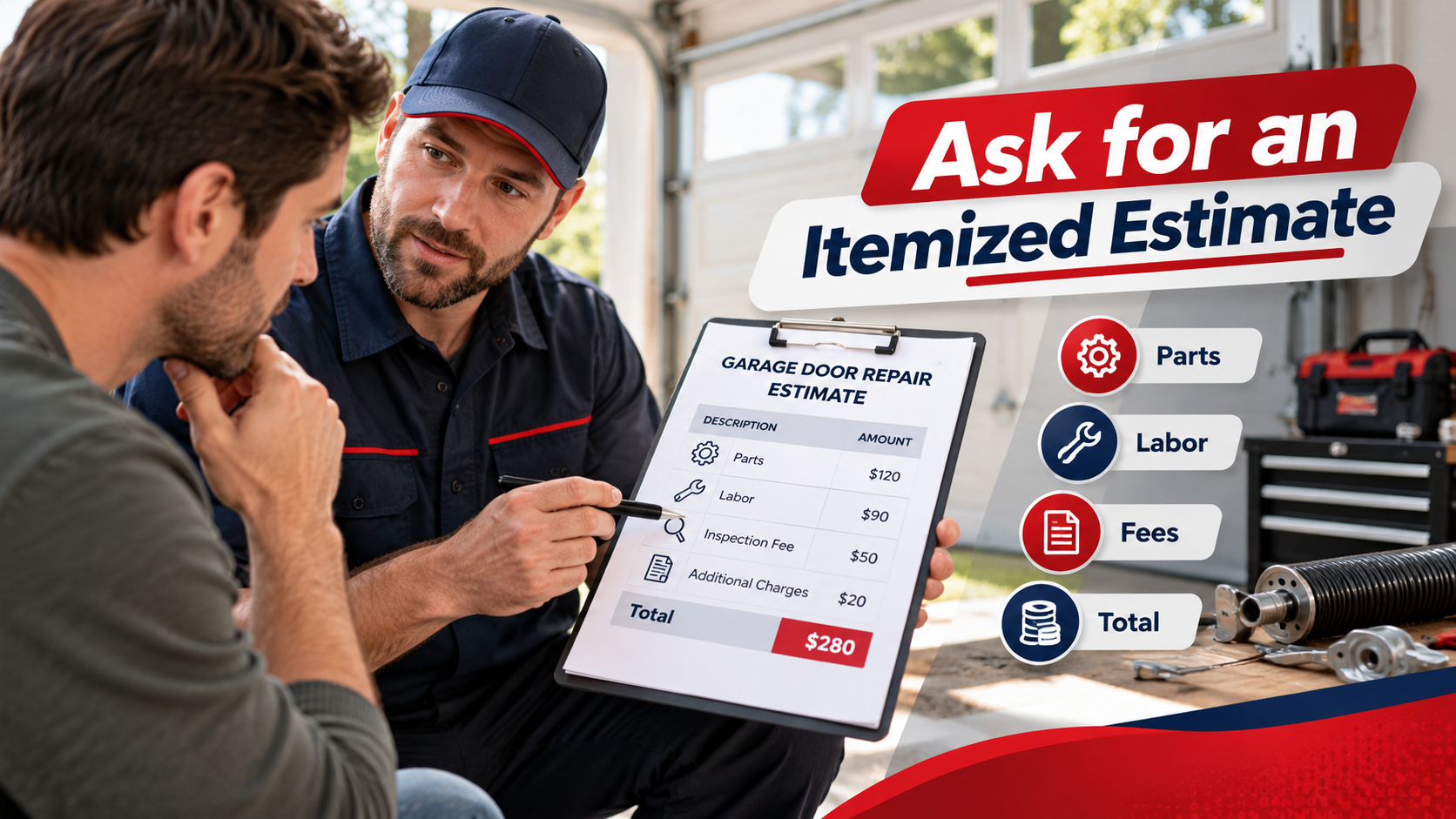
Ask for an Itemized Estimate:

This is one of the simplest ways to compare companies fairly.

Ask each garage door company to explain:

  • What part has failed?
  • What work needs to be completed?
  • Which parts will be replaced?
  • How much is labor?
  • Is there a service or inspection fee?
  • Are additional charges possible?
  • Is the quoted price written down?

An itemized estimate lets you compare similar services instead of comparing two completely different totals.

Current industry guidance also recommends comparing the scope of work, parts, labor, service fees, disposal, and other charges rather than looking only at the final number.
Affordable Garage Door Repair Estimates

Ask What Caused the Problem:

A good repair starts with a proper diagnosis.

If your garage door will not open, the opener may not actually be the problem. A broken spring, damaged cable, track issue, or another component could be causing the door to behave differently.

Learn more about the common causes of repeated torsion spring problems to understand what may be causing recurring spring issues.

That is why you should ask:

“What exactly is wrong with my garage door, and how did you determine that?”

A clear explanation gives you confidence that the technician is addressing the actual problem.

It can also help prevent paying for a repair that does not solve the underlying issue.

Check the Parts Being Used:

Parts are another area where estimates can differ.

A company may offer different spring types, rollers, cables, openers, or other components. The cheapest part may not always offer the best long-term value.

Ask about:

  • Part quality.
  • Warranty.
  • Expected lifespan.
  • Compatibility with your garage door.
  • Whether the part is new.

You do not need to become a garage door expert. You simply need enough information to understand what you are buying.

Look Beyond the Price:

A garage door is heavy and contains moving parts that can create serious safety risks if handled incorrectly.

That makes experience and professionalism important.

When comparing companies in Virginia, look at more than their estimate. Check customer reviews, communication, service experience, and whether the company provides clear information before starting the job.

If you want to understand the repair process in more detail, learn what to expect during a professional garage door repair visit in Stafford before scheduling service.

Virginia homeowners can also use the Virginia Department of Professional and Occupational Regulation’s license lookup to verify applicable contractor credentials. DPOR provides an online license search and explains that its Board for Contractors licenses businesses involved in construction, repair, or improvement work covered by its regulations. 

Get a Second Estimate for Larger Repairs:

You do not always need five different quotes.

For a straightforward, lower-cost repair, comparing a couple of options may be enough. For a larger repair, opener replacement, or extensive garage door work, getting another estimate can help you understand whether the proposed price is reasonable.

Just remember to compare the same scope of work.

A $500 quote and a $700 quote cannot be fairly compared if one includes better parts or additional repairs.

Watch for Red Flags

An estimate deserves a closer look when:

  • The price is unusually low without an explanation
  • The company refuses to explain the repair
  • The final price changes significantly without approval
  • Parts and labor are not clearly explained
  • You feel pressured to approve the work immediately
  • The technician recommends several unrelated repairs without explaining why

Your garage door may be an urgent problem, but you still deserve clear answers.

Why Virginia Homeowners Can Consider Adams Garage Doors LLC:

When your garage door stops working, you want the problem handled without adding more stress to your day.

Adams Garage Doors LLC focuses on helping homeowners with garage door repair and related services. The company understands that customers want clear information, dependable workmanship, and solutions that make sense for their homes.

For homeowners in Virginia, including the Woodbridge and Northern Virginia area, choosing a local garage door company can make it easier to get professional help when a repair is needed.

The goal should always be simple: understand the problem, understand the estimate, and choose a solution that offers real value.

How to Find Truly Affordable Garage Door Repair:

Affordable does not necessarily mean the lowest price.

It means getting the repair you actually need at a fair and clearly explained cost.

Before approving any work, ask for a written estimate, understand the repair, compare the scope of work, ask about parts and warranties, and check the company’s reputation.

Adams Garage Doors LLC can be an option for homeowners looking for professional garage door service and a straightforward approach to repair needs.

When you take a few extra minutes to compare estimates, you can feel more confident about where your money is going—and that peace of mind is worth something too.

Before approving a garage door repair, it is also helpful to understand the estimate you receive. Comparing the scope of work, parts, labor, fees, and warranty details can help you make a more informed decision. 

Learn how to compare garage door repair estimates before approving the repair.

Frequently Asked Questions:

How much does garage door repair cost in Virginia?

It depends on the problem, parts, labor, door type, and location. Current 2026 sources show a wide range, so a professional estimate is best. 

Should I get more than one garage door repair estimate?

For larger or expensive repairs, getting two estimates can help you compare pricing and services.

What should a garage door repair estimate include?

It should explain the problem, recommended repair, parts, labor, fees, and any applicable warranty.

Is the cheapest garage door repair quote the best?

Not always. A low quote may not include the same parts, labor, or scope of work as another estimate.

How can I avoid unexpected garage door repair costs?

Ask for a written estimate and confirm whether additional work or charges require your approval.

Can Adams Garage Doors LLC help with garage door repairs?

Yes. Adams Garage Doors LLC provides garage door services for homeowners who need professional help with their garage systems.

Conclusion:

When a garage door suddenly stops working, choosing the right repair company can make a stressful day much easier. Instead of focusing only on the lowest estimate, compare the work, parts, experience, and overall value.

For homeowners looking for affordable garage door repair, Adams Garage Doors LLC offers a professional option for getting your garage system back to safe and reliable operation.

Don’t Let the Problem Wait—Get in Touch Today! 
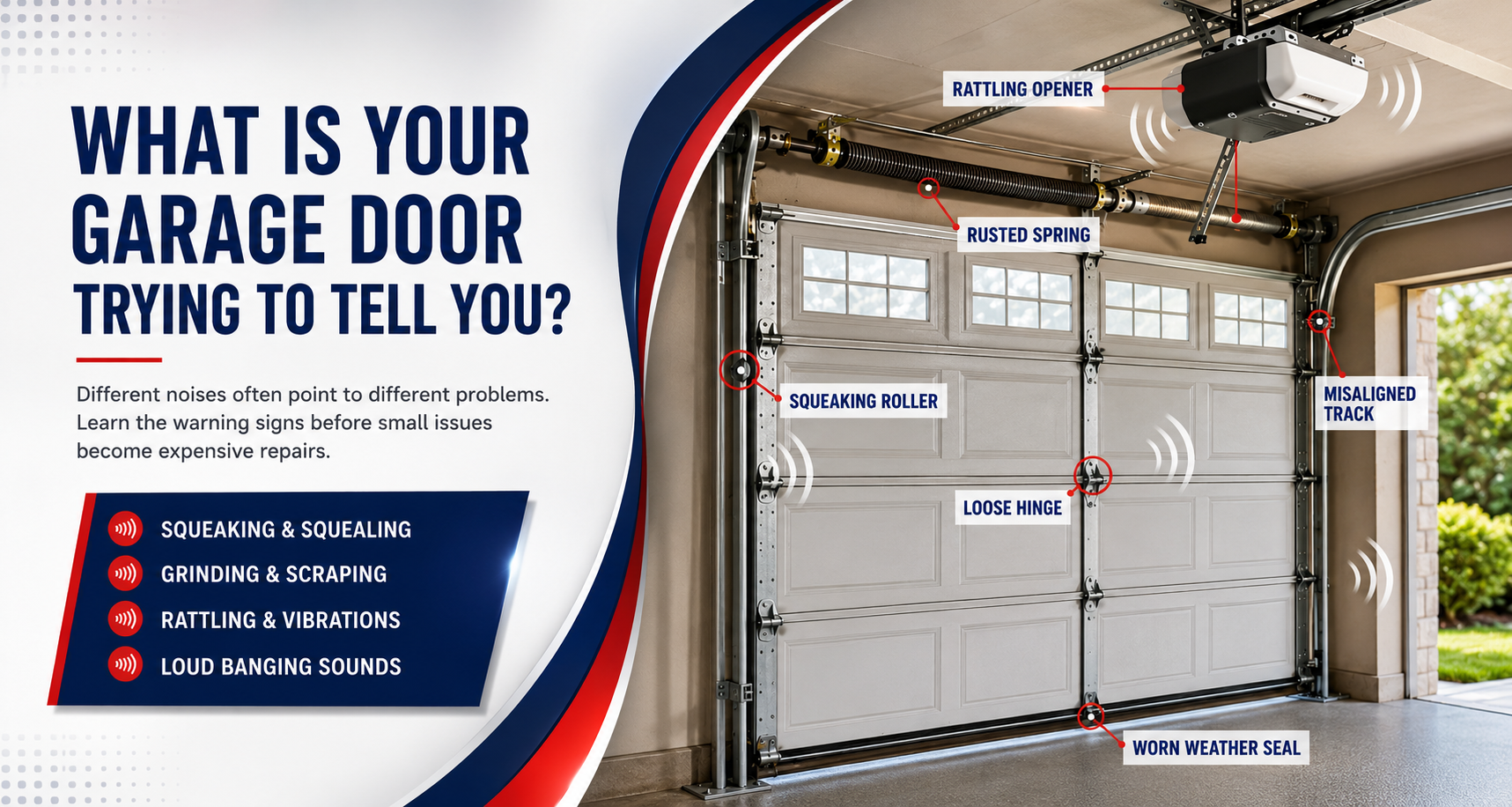
Don’t Ignore That Noise! When a Loud Garage Door Becomes a Safety Risk

Have you ever heard a loud bang from the garage and stopped what you were doing?

For a moment, you wonder if something heavy fell over. You walk outside expecting to find a broken shelf or a tipped-over storage bin. Instead, everything looks normal. Then you notice your garage door sitting quietly in place, almost as if nothing happened.

A few hours later, you press the remote. The door opens with a grinding sound that definitely wasn’t there yesterday.

Most homeowners shrug it off.

“It’s probably just getting old.”

“It just needs a little oil.”

“I’ll deal with it next weekend.”

Sometimes that’s true. Other times, that strange noise is your garage door’s way of telling you that something is about to fail.

Your garage door is made up of many moving parts that work together every time you leave for work, return home, or take out the trash. When one part starts wearing out, it often speaks before it breaks. The sound may be annoying today, but ignoring it could lead to expensive repairs, a door that won’t open, or even a dangerous situation.

In this guide, you’ll learn what different garage door noises mean, which ones need immediate attention, and when it’s time to call for noisy garage door repair before a small problem becomes a major one.

Why Does a Garage Door Make Loud Noises?

The short answer: A garage door becomes noisy when one or more components are worn, loose, dry, damaged, or out of alignment.

Not every sound means your garage door is unsafe. Some noises simply mean the system needs routine maintenance. Others can point to failing springs, damaged rollers, loose hardware, or opener problems that should be repaired quickly.

The key is knowing the difference.

Not Every Noise Means the Same Thing:

Think of your garage door like a car.

A quiet engine suddenly making new sounds usually means something has changed. The same idea applies to your garage door. Different noises often point to different problems.

Let’s look at the most common ones.

  1. Squeaking or Squealing

What does it sound like? A high-pitched squeak every time the door moves.

What’s usually causing it? This is one of the most common garage door complaints.

In many cases, the rollers, hinges, or springs simply need lubrication. Over time, dust, dirt, and everyday use create extra friction between moving parts. Without proper lubrication, metal begins rubbing against metal, creating that familiar squeaking sound. Guidance from garage door experts consistently recommends lubricating moving components as part of routine maintenance.

Is it dangerous? Usually, no.

However, if the squeaking becomes louder each week or continues after proper lubrication, another component may be wearing out.

What should you do?

  • Inspect the rollers and hinges.
  • Apply a garage door lubricant to approved moving parts.
  • If the sound doesn’t improve, schedule a professional inspection.
  1. Grinding Noises

What does it sound like? A rough metal-on-metal scraping sound while the door is opening or closing. Most homeowners notice this sound immediately because it is much louder than normal operation.

What causes it? Grinding usually means something inside the system isn’t moving smoothly anymore.

Possible causes include:

  • Worn rollers.
  • Dirty or damaged tracks.
  • Loose hardware.
  • Misaligned components.
  • A struggling garage door opener.

Sometimes the problem starts small. A roller may begin sticking in the track. As the opener continues pulling the door, more pressure builds throughout the system.

If you’ve also noticed delayed operation or inconsistent movement, the opener itself could be contributing to the noise. You can learn more in our guide to garage door opener problems that cause unusual garage noises, which explains how opener issues often affect the entire system.

Is it dangerous? It can be.

Grinding noises often mean increased friction. If ignored, the extra strain may damage additional parts and increase repair costs.

  1. A Loud Banging Sound

Imagine hearing a sudden “BANG!” from the garage late at night. It’s loud enough to make everyone in the house stop what they’re doing. This is one noise you should never ignore.

What’s causing it? One of the most common causes is a broken garage door spring.

Garage door springs are under tremendous tension. When one snaps, it releases stored energy almost instantly, creating a sound that many homeowners compare to a firecracker or a gunshot. Garage door industry guidance consistently notes that spring failure can produce a very loud bang because of the tension stored in the spring.

Is it dangerous? Yes. A broken spring means the garage door may no longer be properly supported. Trying to force the door open can put additional strain on the opener and create a serious safety risk.

If you hear this sound, stop using the garage door and arrange for professional repair.

You may also find our article on emergency warning signs homeowners should never ignore helpful if you’re unsure whether the situation requires immediate attention.

  1. Rattling or Vibrating Sounds

Does your garage door sound like it’s shaking itself apart every time it moves? Rattling noises are surprisingly common, especially on older garage doors.

What causes rattling? After thousands of opening and closing cycles, nuts, bolts, hinges, and brackets naturally loosen.

Even small vibrations become more noticeable over time. In some cases, the door itself is perfectly fine. It simply needs a professional tune-up to tighten hardware and inspect the moving parts.

Should you worry? Not immediately.

However, loose hardware should never be ignored for months.

A loose bolt today can eventually lead to misaligned tracks, uneven door movement, or unnecessary wear on rollers and hinges.

Here’s the good news. Routine maintenance often catches these small problems before they become expensive repairs.

Common garage door issues

  1. Popping or Cracking Sounds

A popping sound can catch you off guard because it often happens without warning.

You may hear one loud pop as the garage door starts moving or several smaller popping noises while it opens or closes.

What causes it?

In many cases, the noise comes from the door panels expanding and contracting as temperatures change. Virginia’s changing seasons can make this more noticeable, especially when warm afternoons are followed by cool evenings.

However, popping can also be caused by:

  • Worn hinges.
  • Loose hardware.
  • Misaligned tracks.
  • A door that is no longer properly balanced.

Is it dangerous? Sometimes.

If the popping happens occasionally and the door still moves smoothly, it may simply need maintenance. But if the sound is becoming louder or the door starts jerking while moving, it’s time to have the system inspected before more components are damaged.

  1. Clicking Sounds Without the Door Moving

Have you ever pressed the remote, heard a clicking noise, and watched… nothing happened?

That’s frustrating, especially when you’re already running late.

What causes it? A clicking sound usually points to an electrical or opener-related issue.

Possible causes include:

  • Faulty safety sensors.
  • A worn garage door opener.
  • Wiring problems.
  • A damaged circuit board.
  • Obstructions blocking the sensors.

Before assuming the opener has failed, check that nothing is blocking the safety sensors near the bottom of the tracks.

If the problem continues, professional diagnosis is the safest option.

  1. Humming or Buzzing Sounds

If your opener hums but the garage door doesn’t move, the motor is trying to do its job, but something is stopping the system.

Common reasons include:

  • A broken spring.
  • A disconnected trolley.
  • A seized roller.
  • A damaged gear inside the opener.
  • An obstruction preventing movement.

Many homeowners continue pressing the remote repeatedly, hoping the door will eventually move.

Unfortunately, that can make the problem worse.

The opener isn’t designed to lift a door with a broken spring or major mechanical issue. Continuing to force it can burn out the motor and turn one repair into two.

  1. Scraping Sounds

A scraping noise is one of the clearest signs that something isn’t aligned correctly. Instead of rolling smoothly along the tracks, the door begins rubbing against metal or another surface.

Why does it happen?

Common causes include:

  • Bent tracks
  • Loose rollers
  • Track misalignment
  • Debris inside the tracks

Besides creating an unpleasant sound, scraping increases friction throughout the system. The longer the door operates this way, the more wear it places on rollers, hinges, and the opener.

When Does a Noisy Garage Door Become Dangerous?

A noisy garage door becomes dangerous when the sound is caused by damaged or failing components that affect the door’s safe operation.

Some noises simply mean your garage door needs maintenance. Others indicate a serious mechanical problem.

You should stop using the garage door and arrange a professional inspection if you notice:

  • A loud bang followed by a door that won’t open.
  • Grinding that becomes worse each day.
  • The door shakes or moves unevenly.
  • The door stops halfway.
  • Cables appear loose or frayed.
  • Rollers come off the track.
  • The opener struggles to lift the door.
  • The garage door closes unexpectedly.

These warning signs should never be ignored because garage doors can weigh several hundred pounds. Continuing to use a damaged system increases the risk of property damage and personal injury.

Can You Fix a Noisy Garage Door Yourself?

Some maintenance tasks are perfectly safe for homeowners.

You can usually:

  • Clean dirt from the tracks.
  • Lubricate approved moving parts.
  • Tighten visible loose bolts.
  • Test the auto-reverse safety feature.
  • Inspect weather seals for damage.

However, some repairs should always be left to trained professionals.

Avoid repairing:

  • Garage door springs
  • Lift cables
  • Torsion systems
  • Bent tracks
  • Major opener components

These parts operate under high tension and require specialized tools and experience.

How Regular Maintenance Keeps Your Garage Door Quiet:

Most garage doors don’t suddenly become noisy. The sounds usually develop gradually as parts wear down. A yearly maintenance visit helps identify these problems early before they become expensive repairs.

Professional maintenance typically includes:

  • Lubricating moving components.
  • Inspecting springs and cables.
  • Checking track alignment.
  • Tightening hardware.
  • Testing safety features.
  • Evaluating opener performance.
  • Identifying worn rollers before they fail.

Think of it like servicing your vehicle.

Routine maintenance is almost always less expensive than replacing damaged parts after a breakdown.

Let Adams Garage Doors LLC Bring Back the Quiet:

A noisy garage door is more than just an inconvenience. It’s often the first sign that something inside the system needs attention.

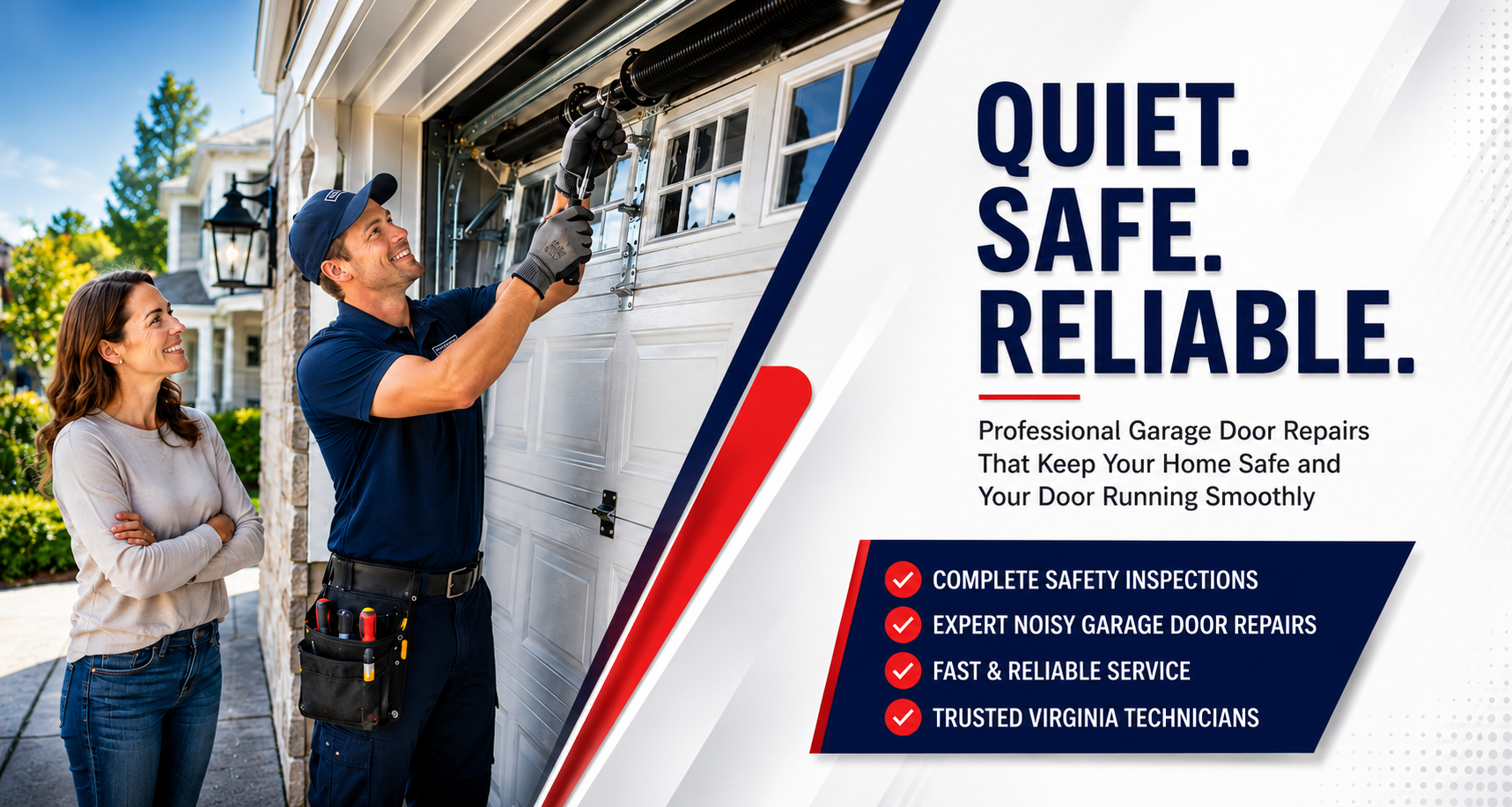
At Adams Garage Doors LLC, we help Virginia homeowners diagnose and fix garage door problems before they turn into costly emergencies. Whether your door is squeaking, grinding, rattling, or making a loud banging sound, our experienced technicians will identify the real cause and recommend the right solution.

Professional garage door repair services

When you choose Adams Garage Doors LLC, you benefit from:

  • Professional garage door repair services.
  • Fast response times across Virginia.
  • Experienced and knowledgeable technicians.
  • Honest pricing with no hidden surprises.
  • High-quality replacement parts.
  • Complete safety inspections.
  • Reliable workmanship backed by years of experience.

We believe every homeowner deserves a garage door that operates safely, smoothly, and quietly. Whether you need a simple tune-up or a more complex repair, we’re here to help.

Don’t ignore the noise. 

Schedule your garage door inspection with Adams Garage Doors LLC today and enjoy the peace of mind that comes with a garage door you can rely on.

Frequently Asked Questions:

What causes a garage door to make loud noises?

A garage door can become noisy because of worn rollers, loose hardware, dry hinges, damaged springs, misaligned tracks, or problems with the opener. While some sounds are harmless, others can indicate a serious issue that needs professional attention.

Is it safe to use a noisy garage door?

It depends on the type of noise. A slight squeak may only mean the moving parts need lubrication, but loud grinding, banging, or scraping noises can signal damaged components. If the noise suddenly becomes louder or the door moves unevenly, stop using it and schedule a professional inspection.

Can I fix a noisy garage door myself?

You can safely perform basic maintenance, such as lubricating moving parts, cleaning the tracks, and tightening loose hardware. However, repairs involving springs, cables, tracks, or the opener should always be handled by a trained technician because these components can be dangerous.

Why does my garage door make a loud bang when opening?

A loud bang often means a garage door spring has broken. Since the springs are under high tension, they release a large amount of stored energy when they snap. This is considered a safety issue, and you should avoid using the door until it has been repaired.

How often should I schedule garage door maintenance?

Most homeowners should schedule professional garage door maintenance at least once a year. If your garage door is used frequently or has already started making unusual noises, more frequent inspections can help catch small issues before they become costly repairs.

Conclusion:

Your garage door isn’t trying to annoy you when it starts making strange noises. More often than not, it’s trying to tell you something.

A squeak might mean the rollers need lubrication. A grindng sound could point to worn components. A loud bang may signal a broken spring that needs immediate attention. The sooner you identify the cause, the easier and more affordable the repair is likely to be.

Ignoring unusual sounds may seem harmless at first, but small mechanical problems rarely stay small. As worn parts continue to work under extra stress, they can affect the entire garage door system, leading to higher repair costs, unexpected breakdowns, and potential safety risks.

The good news is that most of these problems are preventable. Regular inspections, routine maintenance, and timely noisy garage door repairs can keep your garage door operating smoothly, quietly, and safely throughout the year.

If your garage door has started making noises that don’t sound normal, don’t wait until it refuses to open or close. Taking action today can save you time, money, and unnecessary frustration tomorrow.

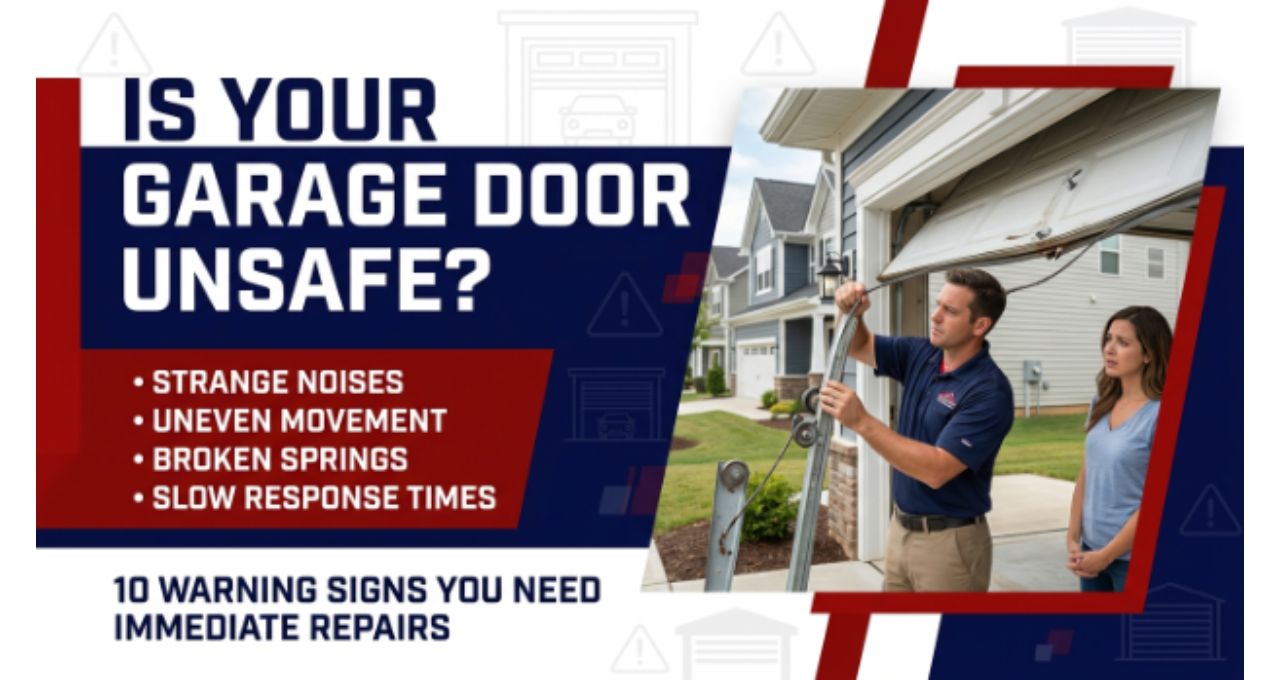
Is Your Garage Door Unsafe? 10 Signs You Need Immediate Repairs

Most homeowners have a list of things around the house that deserve attention. A dripping faucet gets repaired. A loose fence panel gets fixed. Even a noisy air conditioner eventually moves to the top of the weekend to-do list.

But the garage door, however, often escapes notice.

Perhaps that’s because it quietly does its job every day without demanding much attention. It opens when you’re rushing to work, closes when you return home, and becomes such a familiar part of your routine that you rarely stop to think about it.

But here’s something many Virginia homeowners don’t realize: garage doors rarely fail without warning.

Long before a spring snaps or a door comes off track, the system usually starts leaving clues. The trouble is that these clues often appear so gradually that they’re easy to dismiss. A strange sound. A slight delay. A door that doesn’t seem quite as smooth as it used to be.

Then one day, what seemed like a small annoyance suddenly becomes a major problem.

A garage door is one of the largest moving systems in your home. When something goes wrong, it can affect your safety, your security, and your daily schedule. Knowing the warning signs can help you avoid costly breakdowns and determine when it’s time to call for emergency garage door repair.

Why Garage Door Problems Should Never Be Ignored:

Many homeowners adopt a “wait and see” approach when something around the house starts acting up. While that may work for minor issues, it’s rarely a good idea when it comes to garage doors.

A garage door relies on springs, cables, rollers, tracks, sensors, and an opener working together as one system. When one component begins to wear out, the entire system feels the impact.

A damaged spring can place extra strain on the opener. Worn rollers can affect track alignment. Frayed cables can create uneven movement that eventually leads to bigger problems.

Beyond the repair costs, there are also safety concerns. A malfunctioning garage door can become unpredictable, especially when heavy components are involved. For families throughout Virginia, addressing problems early is often the safest and most affordable decision.

1.Loud Grinding, Popping, or Banging Noises:

Garage doors naturally make some noise, but sudden changes in sound should never be ignored.

If your garage door has started producing grinding, scraping, popping, or banging noises, it’s usually a sign that something inside the system is struggling. Rollers may be wearing out, hardware could be loosening, or springs may be approaching failure.

Think of unusual sounds as your garage door’s way of asking for attention. Mechanical systems often become noisy before they become nonfunctional.

2.The Door Moves Unevenly:

A garage door should move smoothly and evenly from start to finish.

If one side appears higher than the other or the door looks crooked while opening, there is likely a problem with the cables, springs, or tracks.

This issue may seem minor at first, but uneven movement places additional stress on the entire system. Over time, the door can become unstable and may even come off track if the underlying problem isn’t addressed.

3.You Have a Broken Garage Spring:

A broken garage spring is one of the clearest signs that immediate repairs are needed.

Many homeowners first notice it because of a loud snapping sound coming from the garage. Others discover the problem when the door suddenly feels much heavier than usual or refuses to open completely.

Garage door springs carry a tremendous amount of tension and are responsible for supporting much of the door’s weight. Once a spring breaks, the system can no longer operate safely.

In most cases, professional garage door spring replacement is the only solution. Attempting to repair or replace springs without proper training can be extremely dangerous.

4.The Garage Door Won’t Open:

There are few household problems more frustrating than a garage door that refuses to open when you’re trying to leave.

The cause could be something simple, such as a sensor issue or opener malfunction. However, it can also point to more serious problems involving springs, cables, or internal components.

When a garage door becomes completely stuck, it often qualifies as an emergency because it can prevent access to your vehicle and compromise daily routines.

5.The Garage Door Won’t Close Completely :

A garage door that won’t close properly creates both convenience and security concerns.

You may notice the door stopping a few inches from the ground or reversing unexpectedly before it fully closes.

This issue is commonly caused by sensor alignment problems, track obstructions, or opener settings that need adjustment. Regardless of the cause, an unsecured garage leaves your home exposed to weather, pests, and potential security risks.

problems of garage doors

6.The Door Appears Off Track :

An off-track garage door is one of the most obvious warning signs that something is wrong.

The rollers may no longer sit properly within the tracks, causing the door to lean or move unpredictably. In some cases, the door may become stuck entirely.

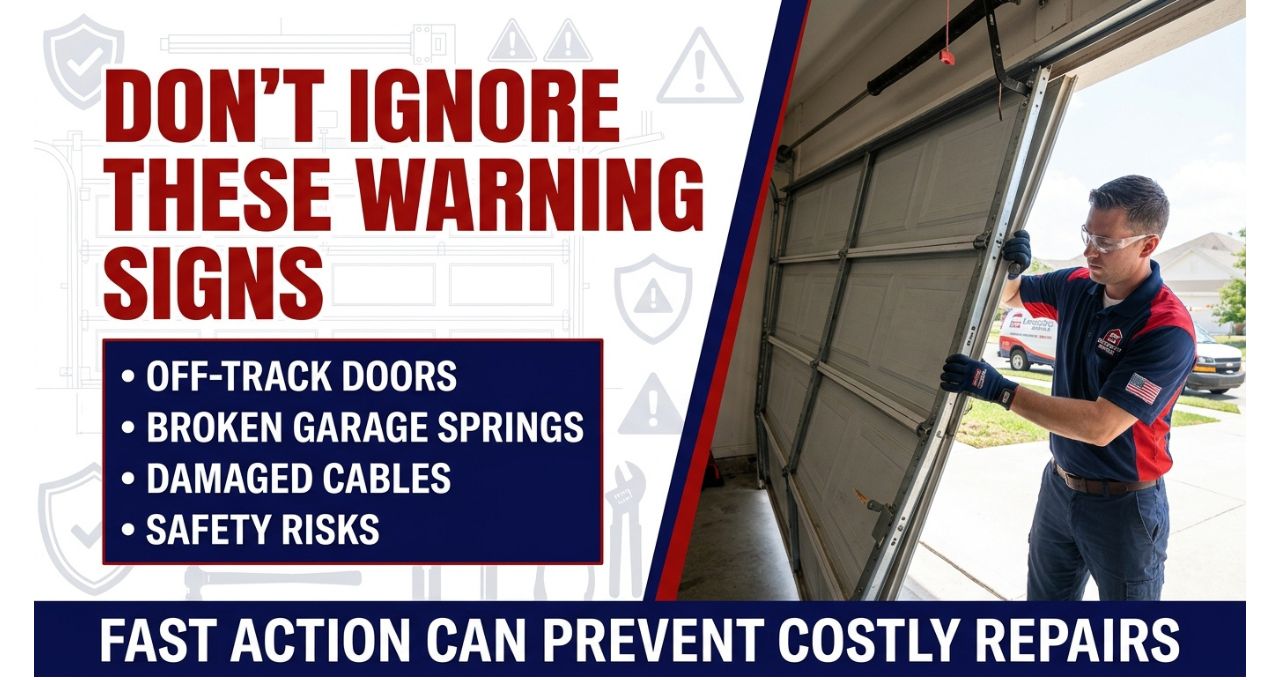
Operating an off-track door can worsen the damage and increase the risk of injury. If you notice this problem, stop using the system and schedule repairs immediately.

7.Frayed or Damaged Cables :

Garage door cables perform a critical job every day, yet they’re often overlooked during routine inspections.

Over time, cables can begin to fray, rust, or weaken due to constant use and exposure to moisture.

Even if the door still appears to function normally, damaged cables should never be ignored. A cable failure can cause sudden and uncontrolled door movement, creating a serious safety hazard.

8.Slow Response Time :

Have you noticed your garage door opener taking longer to respond after pressing the remote?

A delay of just a few seconds may not seem like a big deal, but it often signals an underlying issue.

The problem could involve aging opener components, electrical issues, sensor communication problems, or increased resistance somewhere in the system.

Garage doors rarely go from perfect operation to complete failure overnight. Slow response times are often one of the earliest warning signs.

9.The Door Reverses Unexpectedly:

Modern garage doors are designed with safety features that prevent them from closing when an obstruction is detected.

However, if your door repeatedly starts closing and then reverses for no apparent reason, something isn’t functioning properly.

Misaligned sensors, dirty sensor lenses, mechanical resistance, or opener calibration issues are all possible causes.

While the door may still operate occasionally, recurring reversals indicate that professional attention is needed.

10.Your Smart Garage Opener Stops Responding

Today’s homeowners enjoy more convenience than ever before thanks to connected technology.

A smart garage opener allows you to monitor and control your garage from virtually anywhere. Likewise, a WiFi garage door opener provides added flexibility and peace of mind.

When these systems suddenly stop responding, many homeowners assume the problem is simply an app issue. Sometimes that’s true. However, connectivity failures can also indicate problems with the opener, sensors, or communication systems.

If troubleshooting doesn’t resolve the issue, it’s worth having the system inspected before the problem grows worse.

What Should You Do During a Garage Door Emergency?

If you believe your garage door may be unsafe, taking the right steps can help prevent injuries and additional damage.

  • Stay clear of the door and all moving components.
  • Avoid forcing the door open or closed.
  • Keep children and pets away from the area.
  • Disconnect the opener if the door is behaving unpredictably.
  • Do not attempt to repair springs or cables yourself.
  • Contact a professional emergency repair specialist.

Your safety should always come before convenience.

Why Fast Repairs Save Money:

Many homeowners delay repairs because the garage door still works “well enough.”

Unfortunately, that decision often leads to larger repair bills later.

A worn roller can damage a track. A weak spring can overwork an opener. A small alignment issue can eventually affect multiple components throughout the system.

Addressing problems early not only improves safety but also helps prevent expensive secondary damage.

In many cases, the cost of a simple repair is far less than the cost of replacing several damaged parts later.

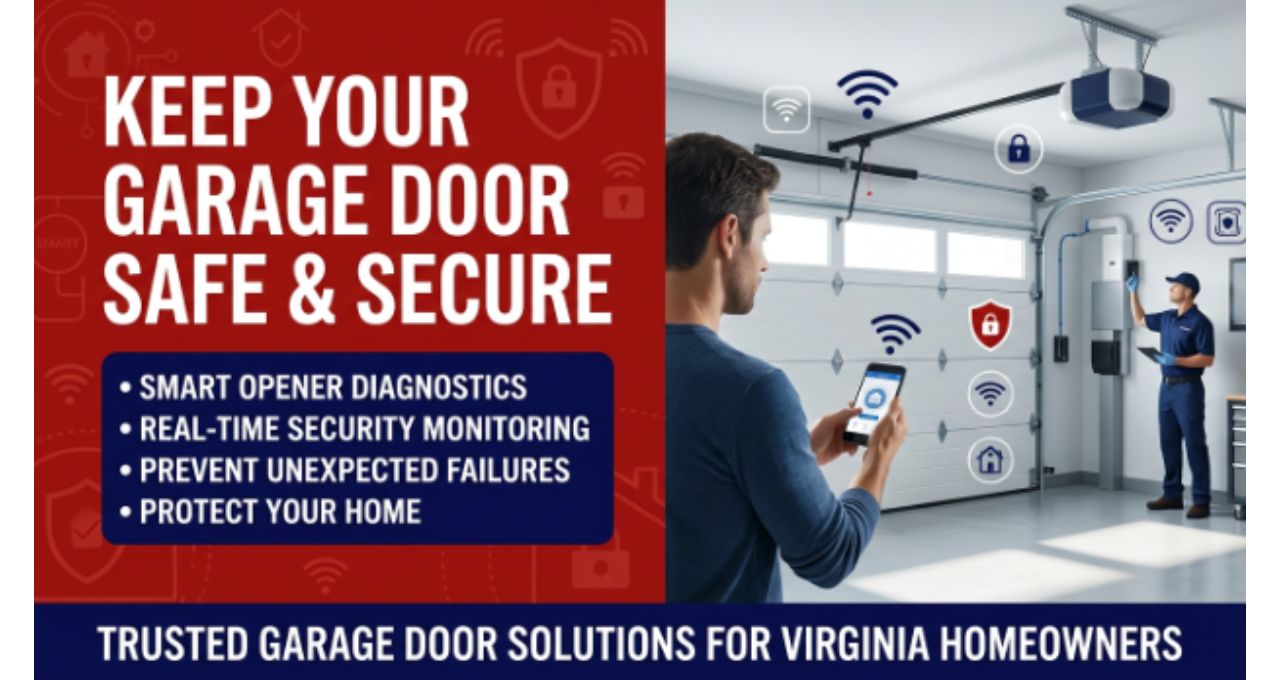
safe and secure garage doors.

Why Virginia Homeowners Choose Adams Garage Doors LLC:

When garage door problems happen, homeowners need a company they can trust to respond quickly and provide honest solutions.

Adams Garage Doors LLC has built a strong reputation throughout Virginia by helping homeowners resolve everything from minor issues to urgent repair emergencies. Their experienced technicians understand the challenges created by Virginia weather, daily wear and tear, and modern garage door systems.

Whether you need emergency garage door repair, spring replacement, opener diagnostics, or a complete system inspection, their team focuses on delivering reliable workmanship and clear recommendations.

Virginia homeowners choose Adams Garage Doors LLC because we offer:

  • Experienced technicians.
  • Same-day service availability.
  • Fast emergency response.
  • Honest repair recommendations.
  • High-quality workmanship.
  • Local Virginia expertise.
  • Customer-focused service.

Most importantly, they help restore safety, security, and peace of mind.

Frequently Asked Questions:

What is considered a garage door emergency?

A garage door emergency includes situations where the door is stuck open, stuck closed, off track, or creating a safety or security risk. These issues should be addressed as quickly as possible.

Can a broken garage spring be dangerous?

Yes. A broken spring can make the door unstable and extremely heavy. Because springs are under high tension, repairs should always be handled by trained professionals.

How quickly should emergency garage door repair be scheduled?

Emergency repairs should be scheduled immediately whenever the door becomes unsafe, inoperable, or poses a security concern for your home.

Can I use my garage door if it is off track?

No. Operating an off-track garage door can worsen the damage and increase the risk of injury or property damage.

What should I do if my smart garage opener stops working?

Check the power source, internet connection, and app settings first. If the issue continues, schedule a professional inspection to identify any underlying problems.

Final Thoughts :

Garage doors are easy to take for granted until something goes wrong. The challenge is that most serious failures begin with small warning signs that homeowners often overlook.

If your garage door is making unusual noises, moving unevenly, responding slowly, or showing any of the symptoms discussed above, don’t wait for the problem to become an emergency.

Acting early can protect your family, prevent costly damage, and keep your home secure. And when professional help is needed, Adams Garage Doors LLC is ready to provide the expert service and fast response Virginia homeowners can depend on.

Ready to Begin? Explore Our Website Today

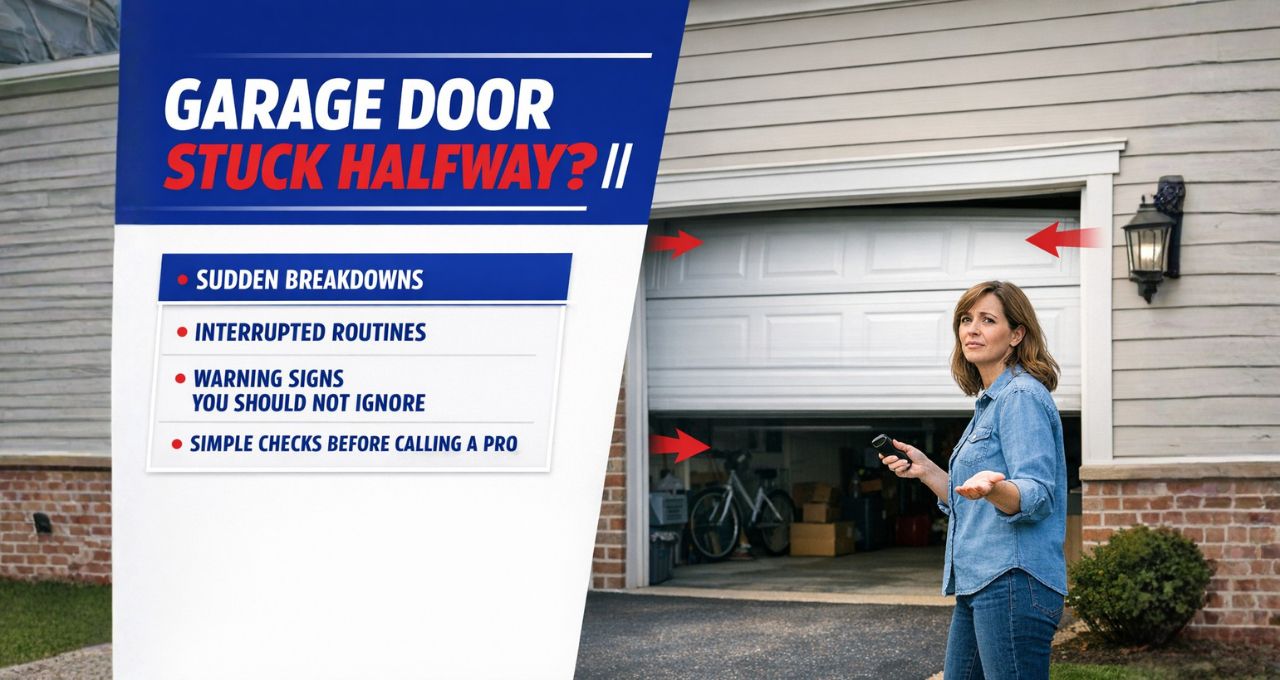
Garage Door Stuck Halfway? Troubleshooting Guide for VA Homes

You don’t really think about your garage door until it stops working.

One moment, it’s part of your routine. You press the remote, it opens, you drive out, and your day moves on. Then suddenly, something changes. You press the button… and nothing happens. Or maybe you hear the motor, but the door refuses to move.

It’s a small moment, but it disrupts everything.

For homeowners across Virginia, this is one of the most common home issues, and it often happens without much warning. What feels like a sudden failure is usually the result of gradual wear that has finally reached its limit.

The key is understanding what your garage door is trying to tell you before the problem gets worse.

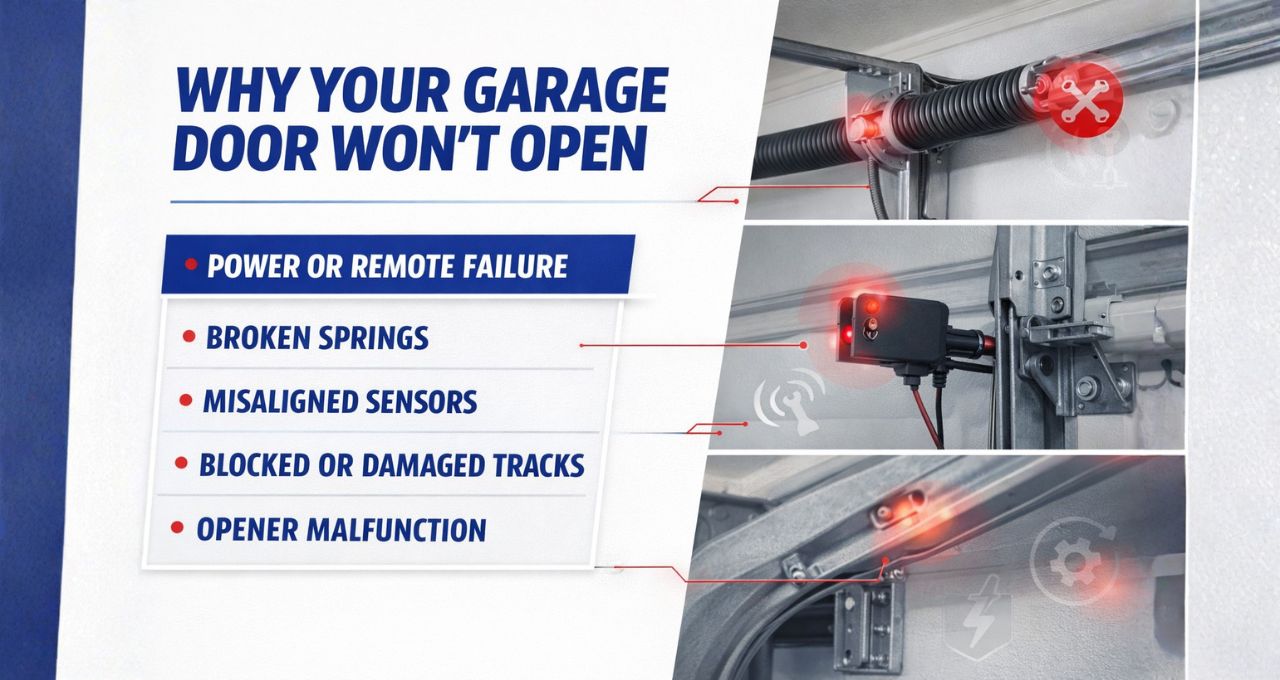
Why Your Garage Door Won’t Open

Quick Answer: Why Your Garage Door Won’t Open

If your garage door is not opening, the issue usually comes down to one of these causes:

  • Power supply or remote failure.
  • Broken springs.
  • Misaligned safety sensors.
  • Blocked or damaged tracks.
  • Garage door opener malfunction.

If the door feels unusually heavy or completely stuck, it may require broken garage door repair right away.

Step Back for a Second: What Exactly Is It Doing?

Before jumping into fixes, it helps to pause and observe.

Your garage door rarely fails without leaving clues. The way it behaves can quickly point you in the right direction. 

Ask yourself:

  • Do you hear the opener running?
  • Does the door try to move at all?
  • Did you notice any unusual sounds before it stopped working?

These small details can save time and help you understand whether the issue is simple or something more serious.

When Nothing Happens at All:

If you press the button and there’s no sound, no movement, and no response, the problem is often electrical.

Start with the basics:

  • Check if the opener is plugged in.
  • Look for a tripped circuit breaker.
  • Replace the remote batteries.

It might feel too simple, but many service calls begin with issues like these. Fixing them takes minutes, not hours.

When the Motor Runs but the Door Doesn’t Move:

This is where things shift from minor to mechanical.

You can hear the motor working, which means power is not the issue. But the door itself stays in place.

In most cases, this points to a broken spring.

Garage door springs handle the heavy lifting. When one fails, the opener can no longer raise the door on its own. This is one of the most common reasons homeowners end up needing broken garage door repair, especially after years of regular use.

That Loud Snap You Heard? It Matters

Many homeowners describe the same moment.

A sudden, sharp noise, like something snapping under tension.

That sound is often a torsion spring breaking. It can happen without warning and usually leaves the door completely inoperable.

At that point, the system is no longer safe to use. Trying to force the door open can cause further damage or even injury.

When the Door Starts… Then Stops:

Sometimes the door begins to open or close, then suddenly stops midway.

This type of behavior usually points to alignment or obstruction issues.

You might be dealing with:

  • Bent or misaligned tracks
  • Worn or damaged rollers
  • Objects blocking the path
  • Sensor interference

Even a small obstruction can prevent the system from completing its movement.

When the Door Reverses Unexpectedly:

If the door starts moving but then reverses direction, the safety system is likely stepping in.

Garage doors are designed to stop if something feels wrong.

Check the sensors near the base of the door:

  • Are they aligned properly?
  • Are they clean and free of dust?
  • Is anything blocking the beam?

In many cases, a simple adjustment can resolve the issue.

When the Door Feels Heavier Than Usual:

If you try to lift the door manually and it feels much heavier than normal, that’s a strong warning sign.

It usually means the spring system is no longer supporting the door properly.

This is not just inconvenient; it can be dangerous. A heavy, unbalanced door can fall unexpectedly or put excessive strain on other components.

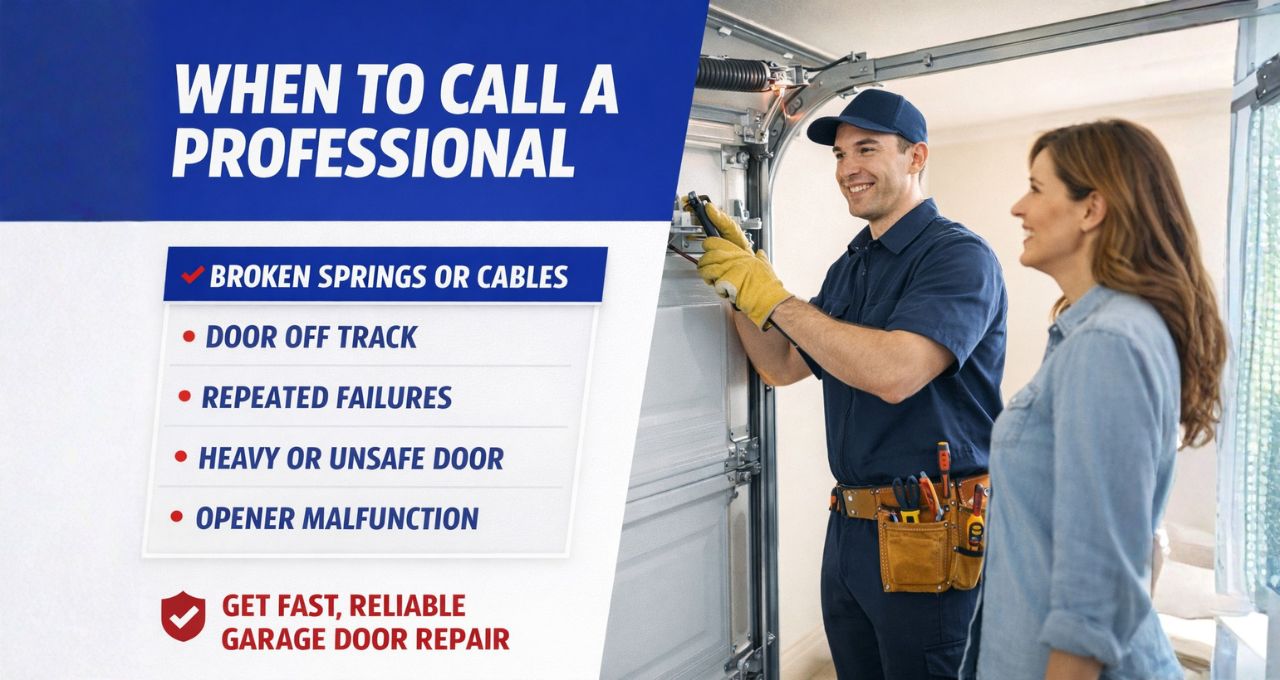
When Troubleshooting Isn’t Enough:

There’s a point where basic checks stop being helpful.

If your issue involves:

  • Broken springs
  • Snapped cables
  • Doors coming off the track
  • Repeated system failures

It’s time to step back.

Garage door systems operate under high tension, and attempting to repair these components without proper tools and training can lead to serious problems.

Garage Repair Expert

Why These Problems Happen Over Time:

Garage doors go through daily use, often multiple times a day.

Over the years:

  • Springs lose tension
  • Parts wear down
  • Alignment shifts
  • Motors work harder than they should

In a place like Virginia, seasonal temperature changes also affect metal components, causing them to expand and contract. This adds stress to the system and speeds up wear.

So when your garage door stops working, it’s usually not random.

It’s the result of long-term strain finally catching up.

Preventing the Next Breakdown:

While you can’t avoid wear completely, you can reduce the chances of sudden failure.

A few simple habits make a difference:

  • Pay attention to new or unusual sounds.
  • Address small issues early.
  • Keep tracks clear and clean.
  • Schedule periodic inspections.

Catching problems early often means smaller repairs and fewer disruptions.

Why Homeowners Turn to Adams Garage Doors LLC:

When a garage door stops working, the situation quickly becomes urgent. Cars get stuck. Schedules shift. Security becomes a concern.

That’s why many homeowners rely on Adams Garage Doors LLC when they need fast and reliable help.

We offer:

  • Same-day and emergency repair services
  • Licensed and insured technicians
  • Clear, upfront pricing
  • Experience with all major garage door systems

More importantly, they focus on identifying the root cause of the issue, not just fixing the surface problem.

Because a quick fix only helps if it lasts.

Quick Troubleshooting Checklist:

Before calling for service, it helps to quickly check:

  • Power supply and remote batteries.
  • Sensor alignment and cleanliness.
  • Any visible obstructions in the track.
  • Unusual sounds or resistance.

If the issue involves heavy lifting or broken components, it’s best not to attempt a fix yourself.

Frequently Asked Questions:

Why won’t my garage door open even though I hear the motor?

This usually means a broken spring or a disconnected mechanism that prevents the door from lifting.

Can I still open my garage door with a broken garage door spring?

It’s not recommended. The door becomes very heavy and unsafe to operate.

What is the most common reason a garage door stops working?

Worn or broken springs are one of the most common causes.

How long does broken garage door repair take?

Most professional repairs can be completed within one to two hours.

Should I try fixing the problem myself?

Basic troubleshooting is fine, but structural or tension-related issues should be handled by a professional.

Final Thought:

Garage doors don’t usually stop working without warning.

They give small signs, subtle changes that are easy to overlook during a busy day.

But those signs matter.

Paying attention early can save time, money, and stress later on.

And when the door finally refuses to open, the right response isn’t guesswork.

It’s getting the right help, at the right time, to fix the problem properly.

Book Your Garage Door RepairToday

8 Common Garage Door Opener Problems: What Virginia Homeowners Often Face

Your garage door opener always seems to break at the worst time. Perhaps, you are late for work. Or perhaps, it is raining outside. It could even happen that your car is already inside the garage but the door won’t open when you need to go out.

The garage door opener provides convenience & convenience to many people each day. With just one touch on a button, the garage door opens in just a few seconds. Yet when the device does not work anymore, it becomes a source of frustration.

Many homeowners deal with garage door opener problems at some point. Some issues are simple and easy to fix. Others may need help from a professional. If you are really dealing with a broken garage door opener in Virginia, it is very important to know what may be causing the issue.

Why Do Garage Door Openers Stop Working?

The garage door opener contains several mechanical components. It depends on electricity, sensor devices, remotes & the balance of the door.

As time passes, various wear and tear issues start occurring. Other issues include dust accumulation, moisture build-up, damaged mechanical components & outdated wiring issues.

Some of the common problems encountered by the homeowners are listed below:

1.The Garage Door Opener Won’t Work at All :

One of the most common issues that occur is the inability of the opener to work at all.

Reasons for This Problem:

  • Faulty batteries in the remote.
  • Electricity and wiring problems.
  • Fried opener motor.
  • Malfunctioning circuit breaker.
  • Loose or corroded wiring.

How to Fix this Issue?

  • Replace the batteries in the remote
  • Check whether the machine is connected properly
  • Re-set the circuit breaker
  • Press the wall switch

If nothing works, the opener motor may need repair or replacement.

2.The Garage Door Works Properly when Opening but Will Not Close:

In some cases, your garage door may open normally but cannot close.

Reasons Could Be:

  • Dirty sensors
  • Sensors that are not aligned
  • Some object in the path of the door
  • Loose wiring

What You Can Do?

  • Clean sensor lenses
  • Ensure that sensors face each other
  • Clear the path for the door
  • Inspect for loose wiring

It is essential to note that the safety sensors in the garage doors play a key role in their proper functionality.

3.The Garage Door Reverses Abruptly:

If your garage door opens to close but suddenly reverses itself, this can be frustrating.

Possible Causes:

  • Incorrect limit settings
  • Blockage in door tracks
  • Broken rollers
  • Door weight exceeds capacity of the opener

Things You Can Do:

  • Clean door tracks of dirt and other foreign objects
  • Check door rollers
  • Set proper travel limits
  • Ensure that the door is properly balanced

Unbalance may cause excessive stress on the opener mechanism.

4.The Remote Doesn’t Work:

A non-working remote control can lead you to believe that your opener isn’t functioning anymore.

Possible Causes:

  • Low batteries in the remote
  • Loss of remote programming
  • Interference with signal
  • Damaged buttons on the remote

What Can Be Done?

  • Replace the batteries
  • Reprogram the remote
  • Eliminate the interfering devices
  • Switch to the wall switch

If the wall switch is fine but the remote doesn’t work, there’s probably a problem with the remote.

5.Your Garage Door Opener Is Making Odd Noises:

Garage doors are not soundless, but excessive or odd noises cannot be overlooked.

Why?

  • Hardware that is loose
  • Worn gears
  • Moving parts without lubrication
  • Bent track rails
  • Motor failure

What to do:

  • Secure loose hardware
  • Lubricate any moving parts
  • Examine the belt or chain
  • Contact a professional if the noise persists

If you hear squealing, grinding, or rattling noises, it could mean something more serious.

  1. The Garage Door Opens Too Slowly:

When your garage door operates more slowly than normal, it could indicate problems with the door.

Causes:

  • Deteriorating opener motor
  • Lack of proper lubrication
  • Damaged springs
  • Effects of low temperatures

How You Can Help:

  • Apply lubricant
  • Examine the springs
  • Review the settings on the opener
  • Inspection of the motor

While slow operation might not sound serious at first, it could end up causing more serious problems in the future.

7.The Garage Door Opener Light Is Not Functional:

Garage door openers usually come with internal lighting. In case the light is not functioning anymore, there could be reasons other than a faulty bulb.

Probable Causes:

  • Bulb needs replacing
  • Loose connections
  • Circuit board malfunction
  • Electrical problems

What You Can Do:

  • Install new bulb
  • Secure the socket
  • Refer to the owner’s guide regarding the proper bulb
  • Seek professional help if light fails to work

Although this issue may not hinder the door from moving, it can indicate electrical problems.

garage opener inspection

8.The Garage Door Opener Motor Works But the Door Is Not Moving:

Occasionally, the motor is working but there’s no movement of the garage door.

Reasons It Could Happen:

  • Trolley malfunction
  • Emergency release is disconnected
  • Chain/belt is damaged
  • Drive gear wear

Steps to Try:

  • Make sure the emergency release wasn’t manually disengaged
  • Ensure that the trolley connection is intact
  • Check for damaged drive components
  • Contact an expert if necessary

Professional help is advised since the problem may be due to malfunctioning parts inside the opener.

When Should You Call a Professional?

There are some garage door opener problems that are relatively simple to resolve while others might prove harmful if you attempt to fix them on your own.

If you experience any of the following, you need to contact a pro:

  • The motor of the opener has broken down.
  • The opener springs have broken.
  • The door is not properly aligned.
  • There are problems with the wiring.
  • The opener is still not functioning.

Trying to repair complex parts without the right tools and experts can lead to injury.

Bottom Lines:

Issues related to garage door openers can occur anytime. By identifying signs that something is wrong, you can save yourself from future headaches and costly repairs. If you have an issue with a broken garage door opener especially in Virginia, you should contact the experts. 

The professionals at Adams Garage Doors LLC will fix the problem for you, replacing damaged components & ensuring that everything functions properly. 

We are a trusted team for garage door installation, repair & replacement services. Also, we proudly serve homeowners in Stafford, Triangle, Alexandria, Springfield, Manassas & many other cities across Virginia with reliable service & quality workmanship.

FAQs :

Q1. What could make the garage door opener cease functioning?

Dead batteries, power-related problems, malfunctioning sensors, damaged wiring, or a broken motor could be behind the issue.

Q2. Can I repair a garage door opener on my own?

You can deal with problems such as replacing batteries, cleaning sensors, or adjusting power supplies. However, other issues will require professional assistance.

Q3. How long can a garage door opener function?

Garage door openers typically last between 10 and 15 years.

Don’t wait any longer. Contact us today for dependable and high-quality service.