Adams Garage Doors LLC

Don’t Ignore That Noise! When a Loud Garage Door Becomes a Safety Risk

Have you ever heard a loud bang from the garage and stopped what you were doing?

For a moment, you wonder if something heavy fell over. You walk outside expecting to find a broken shelf or a tipped-over storage bin. Instead, everything looks normal. Then you notice your garage door sitting quietly in place, almost as if nothing happened.

A few hours later, you press the remote. The door opens with a grinding sound that definitely wasn’t there yesterday.

Most homeowners shrug it off.

“It’s probably just getting old.”

“It just needs a little oil.”

“I’ll deal with it next weekend.”

Sometimes that’s true. Other times, that strange noise is your garage door’s way of telling you that something is about to fail.

Your garage door is made up of many moving parts that work together every time you leave for work, return home, or take out the trash. When one part starts wearing out, it often speaks before it breaks. The sound may be annoying today, but ignoring it could lead to expensive repairs, a door that won’t open, or even a dangerous situation.

In this guide, you’ll learn what different garage door noises mean, which ones need immediate attention, and when it’s time to call for noisy garage door repair before a small problem becomes a major one.

Why Does a Garage Door Make Loud Noises?

The short answer: A garage door becomes noisy when one or more components are worn, loose, dry, damaged, or out of alignment.

Not every sound means your garage door is unsafe. Some noises simply mean the system needs routine maintenance. Others can point to failing springs, damaged rollers, loose hardware, or opener problems that should be repaired quickly.

The key is knowing the difference.

Not Every Noise Means the Same Thing:

Think of your garage door like a car.

A quiet engine suddenly making new sounds usually means something has changed. The same idea applies to your garage door. Different noises often point to different problems.

Let’s look at the most common ones.

  1. Squeaking or Squealing

What does it sound like? A high-pitched squeak every time the door moves.

What’s usually causing it? This is one of the most common garage door complaints.

In many cases, the rollers, hinges, or springs simply need lubrication. Over time, dust, dirt, and everyday use create extra friction between moving parts. Without proper lubrication, metal begins rubbing against metal, creating that familiar squeaking sound. Guidance from garage door experts consistently recommends lubricating moving components as part of routine maintenance.

Is it dangerous? Usually, no.

However, if the squeaking becomes louder each week or continues after proper lubrication, another component may be wearing out.

What should you do?

  • Inspect the rollers and hinges.
  • Apply a garage door lubricant to approved moving parts.
  • If the sound doesn’t improve, schedule a professional inspection.
  1. Grinding Noises

What does it sound like? A rough metal-on-metal scraping sound while the door is opening or closing. Most homeowners notice this sound immediately because it is much louder than normal operation.

What causes it? Grinding usually means something inside the system isn’t moving smoothly anymore.

Possible causes include:

  • Worn rollers.
  • Dirty or damaged tracks.
  • Loose hardware.
  • Misaligned components.
  • A struggling garage door opener.

Sometimes the problem starts small. A roller may begin sticking in the track. As the opener continues pulling the door, more pressure builds throughout the system.

If you’ve also noticed delayed operation or inconsistent movement, the opener itself could be contributing to the noise. You can learn more in our guide to garage door opener problems that cause unusual garage noises, which explains how opener issues often affect the entire system.

Is it dangerous? It can be.

Grinding noises often mean increased friction. If ignored, the extra strain may damage additional parts and increase repair costs.

  1. A Loud Banging Sound

Imagine hearing a sudden “BANG!” from the garage late at night. It’s loud enough to make everyone in the house stop what they’re doing. This is one noise you should never ignore.

What’s causing it? One of the most common causes is a broken garage door spring.

Garage door springs are under tremendous tension. When one snaps, it releases stored energy almost instantly, creating a sound that many homeowners compare to a firecracker or a gunshot. Garage door industry guidance consistently notes that spring failure can produce a very loud bang because of the tension stored in the spring.

Is it dangerous? Yes. A broken spring means the garage door may no longer be properly supported. Trying to force the door open can put additional strain on the opener and create a serious safety risk.

If you hear this sound, stop using the garage door and arrange for professional repair.

You may also find our article on emergency warning signs homeowners should never ignore helpful if you’re unsure whether the situation requires immediate attention.

  1. Rattling or Vibrating Sounds

Does your garage door sound like it’s shaking itself apart every time it moves? Rattling noises are surprisingly common, especially on older garage doors.

What causes rattling? After thousands of opening and closing cycles, nuts, bolts, hinges, and brackets naturally loosen.

Even small vibrations become more noticeable over time. In some cases, the door itself is perfectly fine. It simply needs a professional tune-up to tighten hardware and inspect the moving parts.

Should you worry? Not immediately.

However, loose hardware should never be ignored for months.

A loose bolt today can eventually lead to misaligned tracks, uneven door movement, or unnecessary wear on rollers and hinges.

Here’s the good news. Routine maintenance often catches these small problems before they become expensive repairs.

Common garage door issues

  1. Popping or Cracking Sounds

A popping sound can catch you off guard because it often happens without warning.

You may hear one loud pop as the garage door starts moving or several smaller popping noises while it opens or closes.

What causes it?

In many cases, the noise comes from the door panels expanding and contracting as temperatures change. Virginia’s changing seasons can make this more noticeable, especially when warm afternoons are followed by cool evenings.

However, popping can also be caused by:

  • Worn hinges.
  • Loose hardware.
  • Misaligned tracks.
  • A door that is no longer properly balanced.

Is it dangerous? Sometimes.

If the popping happens occasionally and the door still moves smoothly, it may simply need maintenance. But if the sound is becoming louder or the door starts jerking while moving, it’s time to have the system inspected before more components are damaged.

  1. Clicking Sounds Without the Door Moving

Have you ever pressed the remote, heard a clicking noise, and watched… nothing happened?

That’s frustrating, especially when you’re already running late.

What causes it? A clicking sound usually points to an electrical or opener-related issue.

Possible causes include:

  • Faulty safety sensors.
  • A worn garage door opener.
  • Wiring problems.
  • A damaged circuit board.
  • Obstructions blocking the sensors.

Before assuming the opener has failed, check that nothing is blocking the safety sensors near the bottom of the tracks.

If the problem continues, professional diagnosis is the safest option.

  1. Humming or Buzzing Sounds

If your opener hums but the garage door doesn’t move, the motor is trying to do its job, but something is stopping the system.

Common reasons include:

  • A broken spring.
  • A disconnected trolley.
  • A seized roller.
  • A damaged gear inside the opener.
  • An obstruction preventing movement.

Many homeowners continue pressing the remote repeatedly, hoping the door will eventually move.

Unfortunately, that can make the problem worse.

The opener isn’t designed to lift a door with a broken spring or major mechanical issue. Continuing to force it can burn out the motor and turn one repair into two.

  1. Scraping Sounds

A scraping noise is one of the clearest signs that something isn’t aligned correctly. Instead of rolling smoothly along the tracks, the door begins rubbing against metal or another surface.

Why does it happen?

Common causes include:

  • Bent tracks
  • Loose rollers
  • Track misalignment
  • Debris inside the tracks

Besides creating an unpleasant sound, scraping increases friction throughout the system. The longer the door operates this way, the more wear it places on rollers, hinges, and the opener.

When Does a Noisy Garage Door Become Dangerous?

A noisy garage door becomes dangerous when the sound is caused by damaged or failing components that affect the door’s safe operation.

Some noises simply mean your garage door needs maintenance. Others indicate a serious mechanical problem.

You should stop using the garage door and arrange a professional inspection if you notice:

  • A loud bang followed by a door that won’t open.
  • Grinding that becomes worse each day.
  • The door shakes or moves unevenly.
  • The door stops halfway.
  • Cables appear loose or frayed.
  • Rollers come off the track.
  • The opener struggles to lift the door.
  • The garage door closes unexpectedly.

These warning signs should never be ignored because garage doors can weigh several hundred pounds. Continuing to use a damaged system increases the risk of property damage and personal injury.

Can You Fix a Noisy Garage Door Yourself?

Some maintenance tasks are perfectly safe for homeowners.

You can usually:

  • Clean dirt from the tracks.
  • Lubricate approved moving parts.
  • Tighten visible loose bolts.
  • Test the auto-reverse safety feature.
  • Inspect weather seals for damage.

However, some repairs should always be left to trained professionals.

Avoid repairing:

  • Garage door springs
  • Lift cables
  • Torsion systems
  • Bent tracks
  • Major opener components

These parts operate under high tension and require specialized tools and experience.

How Regular Maintenance Keeps Your Garage Door Quiet:

Most garage doors don’t suddenly become noisy. The sounds usually develop gradually as parts wear down. A yearly maintenance visit helps identify these problems early before they become expensive repairs.

Professional maintenance typically includes:

  • Lubricating moving components.
  • Inspecting springs and cables.
  • Checking track alignment.
  • Tightening hardware.
  • Testing safety features.
  • Evaluating opener performance.
  • Identifying worn rollers before they fail.

Think of it like servicing your vehicle.

Routine maintenance is almost always less expensive than replacing damaged parts after a breakdown.

Let Adams Garage Doors LLC Bring Back the Quiet:

A noisy garage door is more than just an inconvenience. It’s often the first sign that something inside the system needs attention.

At Adams Garage Doors LLC, we help Virginia homeowners diagnose and fix garage door problems before they turn into costly emergencies. Whether your door is squeaking, grinding, rattling, or making a loud banging sound, our experienced technicians will identify the real cause and recommend the right solution.

Professional garage door repair services

When you choose Adams Garage Doors LLC, you benefit from:

  • Professional garage door repair services.
  • Fast response times across Virginia.
  • Experienced and knowledgeable technicians.
  • Honest pricing with no hidden surprises.
  • High-quality replacement parts.
  • Complete safety inspections.
  • Reliable workmanship backed by years of experience.

We believe every homeowner deserves a garage door that operates safely, smoothly, and quietly. Whether you need a simple tune-up or a more complex repair, we’re here to help.

Don’t ignore the noise. 

Schedule your garage door inspection with Adams Garage Doors LLC today and enjoy the peace of mind that comes with a garage door you can rely on.

Frequently Asked Questions:

What causes a garage door to make loud noises?

A garage door can become noisy because of worn rollers, loose hardware, dry hinges, damaged springs, misaligned tracks, or problems with the opener. While some sounds are harmless, others can indicate a serious issue that needs professional attention.

Is it safe to use a noisy garage door?

It depends on the type of noise. A slight squeak may only mean the moving parts need lubrication, but loud grinding, banging, or scraping noises can signal damaged components. If the noise suddenly becomes louder or the door moves unevenly, stop using it and schedule a professional inspection.

Can I fix a noisy garage door myself?

You can safely perform basic maintenance, such as lubricating moving parts, cleaning the tracks, and tightening loose hardware. However, repairs involving springs, cables, tracks, or the opener should always be handled by a trained technician because these components can be dangerous.

Why does my garage door make a loud bang when opening?

A loud bang often means a garage door spring has broken. Since the springs are under high tension, they release a large amount of stored energy when they snap. This is considered a safety issue, and you should avoid using the door until it has been repaired.

How often should I schedule garage door maintenance?

Most homeowners should schedule professional garage door maintenance at least once a year. If your garage door is used frequently or has already started making unusual noises, more frequent inspections can help catch small issues before they become costly repairs.

Conclusion:

Your garage door isn’t trying to annoy you when it starts making strange noises. More often than not, it’s trying to tell you something.

A squeak might mean the rollers need lubrication. A grindng sound could point to worn components. A loud bang may signal a broken spring that needs immediate attention. The sooner you identify the cause, the easier and more affordable the repair is likely to be.

Ignoring unusual sounds may seem harmless at first, but small mechanical problems rarely stay small. As worn parts continue to work under extra stress, they can affect the entire garage door system, leading to higher repair costs, unexpected breakdowns, and potential safety risks.

The good news is that most of these problems are preventable. Regular inspections, routine maintenance, and timely noisy garage door repairs can keep your garage door operating smoothly, quietly, and safely throughout the year.

If your garage door has started making noises that don’t sound normal, don’t wait until it refuses to open or close. Taking action today can save you time, money, and unnecessary frustration tomorrow.

Top Garage Door Maintenance Checklist for Homeowners in Maryland & DC

Garage door maintenance should be performed at least once a year, with simple visual inspections every few months. Regular maintenance includes checking springs, lubricating moving parts, testing safety features, inspecting weather seals, and ensuring the door remains balanced. These steps help prevent costly repairs, improve safety, and extend the lifespan of your garage door.

Your garage door is one of the hardest-working systems in your home. It protects your vehicles, improves home security, and adds curb appeal. However, changing weather conditions across Virginia, Maryland, and Washington, DC can gradually wear down essential components. Following a simple maintenance routine keeps your garage door operating safely and quietly while protecting your investment.

Why Garage Door Maintenance Should Never Be Ignored:

Neglecting routine maintenance often leads to noisy operation, worn parts, and unexpected repairs. 

Preventive care offers several benefits:

  • Improves family safety.
  • Reduces repair costs.
  • Extends the life of your garage door.
  • Keeps daily operation smooth and quiet.
  • Maintain your home’s value.

For homeowners looking for dependable garage door maintenance Virginia services, scheduling an annual inspection is a smart long-term investment.

Garage door maintenance guide

Essential Garage Door Maintenance Checklist: 

Inspect Springs, Cables, and Rollers:

Look for rust, frayed cables, cracked rollers, or damaged springs. These parts experience constant tension and should only be repaired by trained professionals.

Lubricate Moving Parts:

Use a silicone-based or garage-door-approved lubricant on hinges, rollers, bearings, and springs. Proper lubrication reduces friction and helps eliminate unnecessary noise.

Test Safety Features:

Check the auto-reverse function by placing a small object beneath the door. The door should immediately reverse after making contact. Also, clean the photo-eye sensors to ensure they detect obstacles correctly.

Tighten Loose Hardware:

Daily movement causes bolts, hinges, and brackets to loosen over time. Tightening hardware improves stability and helps prevent vibration-related damage.

Check Door Balance:

Disconnect the opener using the emergency release handle and lift the door halfway. If it stays in place, it is properly balanced. If it moves up or down, professional adjustment is recommended.

Inspect Weather Seals:

Damaged weather stripping allows moisture, dust, insects, and outside air into your garage. Replace cracked or worn seals to improve protection and energy efficiency.

Clean the Tracks:

Remove dirt and debris using a clean cloth. Avoid lubricating the tracks, as rollers need a clean surface for proper movement.

Key Takeaway:

A few minutes of seasonal garage door maintenance can prevent expensive repairs and keep your family safe.

Expert garage door maintenance service

When to Schedule Professional Garage Door Maintenance:

While homeowners can perform routine inspections, annual professional servicing provides a more thorough evaluation. Experienced technicians can identify worn components before they fail and safely adjust springs, cables, and opener settings.

If you notice loud grinding noises, uneven movement, slow operation, or broken parts, it’s time to call a professional.

Adams Garage Doors LLC offers comprehensive garage door inspections, repairs, installations, and maintenance services throughout Virginia, helping homeowners keep their garage doors operating safely and efficiently.

For additional garage door safety guidance, homeowners can also review recommendations from the International Door Association and the U.S. Consumer Product Safety Commission.

Keep your garage door operating safely and efficiently with expert service from Adams Garage Doors LLC. 

Contact us today to schedule your annual garage door maintenance and prevent costly repairs before they happen.

FAQs:

How often should garage door maintenance be performed?

Homeowners should perform a visual inspection every three to six months and schedule professional garage door maintenance once a year to keep the system operating safely and efficiently.

What are the signs that my garage door needs professional maintenance?

Common warning signs include loud noises, slow or uneven movement, worn rollers, broken springs, frayed cables, and a garage door that doesn’t stay balanced when opened manually.

Can I perform garage door maintenance myself?

Yes. Homeowners can safely lubricate moving parts, inspect weather seals, clean tracks, and test safety sensors. However, spring, cable, and torsion system repairs should always be handled by trained professionals due to the high tension involved.

Final Thoughts:

Routine garage door maintenance is one of the easiest ways to avoid expensive repairs and improve home safety. By inspecting key components, lubricating moving parts, testing safety systems, and scheduling professional service once a year, homeowners can extend the life of their garage door while ensuring reliable performance through every season.

Is Virginia Weather Ruining Your Garage Door? Warning Signs Every Homeowner Should Know

Imagine leaving for work on a chilly Virginia morning. You grab your coffee, press the garage door remote, and wait for the familiar hum.

Instead, the door shudders.

It groans louder than usual, rises halfway, and then stops.

You press the remote again. This time it opens, but something doesn’t feel right.

Most homeowners assume the garage door is simply getting older. They promise themselves they’ll look into it later, especially if the door still works.

Here’s what many people don’t realize.

Your garage door doesn’t suddenly decide to fail one morning. In many cases, Virginia’s changing weather has been quietly wearing it down for months. Every heat wave, heavy rain, freezing night, and humid afternoon puts stress on the largest moving part of your home. By the time the warning signs become obvious, small maintenance issues may have turned into expensive repairs.

If you’ve been wondering whether the weather is affecting your garage door, the answer is probably yes.

This guide explains how Virginia’s climate impacts garage doors, the warning signs you should never ignore, and the simple garage door maintenance habits that can help your system last longer.

Why Virginia’s Weather Is Hard on Garage Doors:

Your roof protects your home.

Your siding shields your walls.

But your garage door is different.

It moves several times a day while being exposed to sunlight, humidity, rain, wind, freezing temperatures, pollen, and dust throughout the year. Every season asks the door to expand, contract, flex, and perform under changing conditions.

Over time, those changes affect almost every component, including:

  • Springs
  • Rollers
  • Hinges
  • Tracks
  • Weather seals
  • Cables
  • Garage door opener

Even if the door appears to be working normally, hidden wear may already be developing.

That is why garage door maintenance Virginia homeowners schedule before each major season often costs far less than emergency repairs later.

Weather effects of Virginia Garage Door

Seven Ways Virginia Weather Slowly Damages Your Garage Door:

1.Summer Heat Causes Metal Parts to Expand:

Virginia summers can be hot and humid.

While you may notice the temperature, your garage door feels it even more.

Metal tracks, springs, and hinges naturally expand when temperatures rise. Although the expansion is small, it happens repeatedly throughout the season. Over time, these changes can affect alignment and increase friction between moving parts. Heat also dries out lubricants, making rollers and hinges work harder than they should.

You may notice:

  • A noisier garage door
  • Slower movement
  • Jerky operation
  • Increased strain on the opener

These symptoms often seem minor at first, but they can shorten the life of several components if ignored.

2.Humidity Encourages Rust in Places You Can’t See:

Humidity is another challenge for Virginia homeowners.

Moisture doesn’t just affect wooden decks and fences. It also finds its way into garage door hardware.

Springs, cables, rollers, and brackets are all vulnerable to corrosion. Rust increases friction, forcing the system to work harder every time the door opens or closes.

The problem is that rust usually starts where homeowners rarely look.

By the time visible corrosion appears, internal wear may already be well underway.

Routine lubrication and seasonal inspections help slow this process and protect moving parts from unnecessary stress.

  1. Heavy Rain Can Damage More Than the Door:

Many homeowners think rain only affects the outside surface of the garage door.

Actually, one of the biggest concerns is the weather seal.

The rubber seal along the bottom and sides of the door keeps out rain, drafts, dust, insects, and debris. After years of exposure to moisture and sunlight, these seals become brittle, crack, or pull away from the frame. Once gaps appear, water can enter the garage and affect flooring, stored belongings, and even nearby walls. Worn seals also allow outside air to enter, reducing energy efficiency.

A quick way to check is simple.

Close the garage door during daylight and step inside the garage. If you can see light coming through the edges of the door, outside air and water can enter through those same gaps.

4.Winter Cold Places Extra Stress on Garage Door Springs:

Cold weather changes the way metal behaves.

As temperatures drop, steel contracts. Lubricants become thicker, rollers move less freely, and garage door springs experience greater stress than they do during warmer months. A spring that is already worn may finally break on one particularly cold morning because the lower temperature increases the strain on the metal.

If your garage door suddenly becomes slower, louder, or harder to lift during winter, don’t assume it’s simply reacting to the cold.

Those changes often indicate that garage door maintenance is overdue.

5.Wind Can Knock Your Garage Door Out of Alignment:

Strong winds are not uncommon in Virginia, especially during thunderstorms and seasonal weather changes. While your garage door is built to handle everyday conditions, repeated exposure to strong wind pressure can gradually affect how it operates.

Wind-driven debris may collect in the tracks. Branches, leaves, and dirt can interfere with the rollers, making the door less stable as it moves. Over time, this extra resistance can cause unnecessary wear on the tracks, rollers, and opener.

You might notice signs like:

  • The door shakes while opening or closing.
  • It moves unevenly.
  • You hear rubbing or scraping sounds.
  • The opener seems to work harder than before.

These aren’t just minor annoyances. They often indicate that the system is no longer operating as smoothly as it should.

6.UV Rays Slowly Wear Down Weather Seals:

Many homeowners think rain is the biggest threat to their garage door.

Surprisingly, sunlight can be just as damaging.

Virginia’s summer sun exposes your garage door to ultraviolet (UV) rays for hours every day. Over time, that constant exposure dries out the rubber weather seals around the door. Once those seals become brittle, they begin to crack, shrink, or pull away from the frame.

Here’s a simple test.

Close your garage door during the day, turn off the garage lights, and look around the edges.

If you can see daylight, you probably have gaps that are letting in outside air, moisture, dust, and even pests. Those same gaps can also reduce your home’s energy efficiency.

7.Changing Temperatures Can Affect Your Garage Door Opener

Garage door openers contain mechanical and electronic components that react to changing temperatures.

Cold weather can make lubricants thicker and moving parts slower. Heat can affect sensors, while moisture may interfere with electrical connections. Although the opener itself isn’t usually damaged by one weather event, years of seasonal changes can shorten its lifespan if the rest of the garage door system isn’t properly maintained.

If your opener suddenly seems unreliable during certain seasons, the problem may not be the opener alone. The entire garage door system should be inspected.

Warning Signs That Virginia Weather Is Already Damaging Your Garage Door:

Weather damage rarely appears overnight. Instead, your garage door usually gives small warnings before a major breakdown occurs.

Watch for these signs:

  • Grinding, squeaking, or popping noises.
  • Slow opening or closing.
  • Uneven movement.
  • Rust on springs, hinges, or cables.
  • Cracked weather seals.
  • Water enters the garage after rain.
  • Light is visible around the edges of the closed door.
  • The garage feels hotter in summer or colder in winter.
  • The opener struggles to lift the door.
  • Higher heating or cooling bills.

It happens more often than you think.

Many homeowners ignore these warning signs because the door still works. Unfortunately, waiting until something breaks usually means a larger repair bill.

Why Ignoring Weather Damage Can Cost More Later

A garage door works as a complete system. When one part begins to wear out, the remaining components often have to work harder.

For example:

  • Dry rollers increase friction.
  • Worn springs place extra stress on the opener.
  • Damaged weather seals allow moisture to enter.
  • Rust weakens metal parts.
  • Misaligned tracks force the door to work harder.

Eventually, one small problem leads to another.

There is also the energy factor.

If your garage is attached to your home, damaged weather seals can allow outside air to enter. Your heating and cooling system has to work harder to maintain indoor temperatures, which may increase energy costs over time. Replacing worn weatherstripping and improving insulation can reduce drafts and improve efficiency.

Frequently Asked Questions:

1.How does Virginia’s weather affect garage doors?

Virginia’s changing weather can affect almost every part of a garage door. Summer heat causes metal parts to expand, winter cold increases stress on springs, and humidity encourages rust.

2.How often should I schedule garage door maintenance in Virginia?

Most professionals recommend scheduling a complete garage door inspection and tune-up at least once a year.

3.Can weather damage increase my energy bills?

Yes. Worn weather seals, gaps around the door, and poor insulation allow outside air to enter your garage. If your garage is attached to your home, this can make your heating and cooling system work harder, increasing your energy costs.

4.What are the first signs that my garage door needs maintenance?

Watch for warning signs such as unusual noises, slow operation, uneven movement, rust on hardware, cracked weather seals, visible daylight around the door, or water entering the garage after rain. These issues often appear before a major mechanical failure.

5.Can I perform garage door maintenance myself?

Homeowners can safely perform simple tasks like cleaning the tracks, lubricating moving parts, checking weather seals, and testing the auto-reverse safety feature. However, repairs involving springs, cables, or major adjustments should always be handled by trained professionals because these components are under high tension.

Garage Door Ready for Every Virginia Season

Keep Your Garage Door Ready for Every Virginia Season with Adams Garage Doors LLC:

Whether your garage door is making unusual noises, showing signs of weather damage, or simply hasn’t been serviced in years, Adams Garage Doors LLC is here to help.

Our experienced technicians understand how Virginia’s climate affects garage doors and provide professional maintenance services designed to keep your system operating safely and efficiently throughout the year.

When you choose Adams Garage Doors LLC, you can expect:

  • Comprehensive garage door maintenance
  • Thorough safety inspections
  • Preventive tune-ups
  • Honest recommendations with no unnecessary upselling
  • Fast, reliable service from experienced local technicians
  • Solutions that help extend the life of your garage door

Don’t wait until a small weather-related issue becomes an emergency repair.

Schedule your garage door maintenance with Adams Garage Doors LLC today and keep your garage door performing at its best through every season.

Conclusion:

Your garage door works hard every day, but it also faces something you can’t control: Virginia’s changing weather.

Rain, humidity, freezing temperatures, and summer heat don’t usually cause one dramatic failure overnight. Instead, they slowly wear down springs, rollers, seals, tracks, and other moving parts until a small issue turns into an expensive repair.

The good news is that most weather-related problems are preventable.

By paying attention to early warning signs, following a seasonal maintenance routine, and scheduling professional inspections, you can extend the life of your garage door, improve your home’s energy efficiency, and avoid unexpected breakdowns.

If you haven’t inspected your garage door in a while, now is a great time to start. A few simple maintenance steps today can save you from major repairs tomorrow.

Should You Repair or Replace Your Garage Door? A Virginia Homeowner’s Guide for 2026

Three months ago, a homeowner in Virginia paid to fix a noisy garage door.

The repair seemed simple. The door worked again. Problem solved.

Then came another issue. A spring snapped. A few months later, the opener started acting up. Before long, the homeowner had spent hundreds of dollars on separate repairs and was asking a question many people ask too late:

“Should I keep repairing this garage door, or is it finally time to replace it?”

If that sounds familiar, you’re not alone.

Many homeowners struggle with the repair-versus-replacement decision because there is no universal answer. A repair can save money in some situations. In others, it simply delays a larger problem.

This guide will help you decide which option garage door replacement or repair makes the most sense for your home, your budget, and your long-term plans in 2026.

The Question Most Homeowners Ask Too Late:

Most people don’t start thinking about garage door replacement until their garage door becomes a constant source of frustration.

Here’s the problem.

Garage door issues often happen gradually.

A strange noise here.

A slow response there.

A repair bill every few months.

Because each issue seems manageable on its own, homeowners continue investing in repairs without stepping back to evaluate the bigger picture.

The hidden cost isn’t always the repair itself.

It’s the repeated cycle of spending money on an aging system that may never become truly reliable again.

Before scheduling another service call, it helps to ask one simple question:

Am I fixing a problem, or am I postponing a replacement?

When Garage Door Repair Makes Sense:

Garage door repair is usually the better choice when the door is relatively new, the damage is limited to one component, and the repair cost is significantly lower than replacement.

In many situations, repairing the door is the smartest financial decision.

Minor Cosmetic Damage:

Not every garage door issue requires a full garage door replacement. Small dents, scratches, chipped paint, or minor panel damage often affect appearance more than performance.

If the door operates safely and efficiently, repairing cosmetic issues can extend its life without requiring a major investment.

Imagine this. A basketball hits the door and leaves a dent in one panel. The door still opens and closes smoothly.

A repair makes far more sense than replacing the entire system.

A Single Broken Component:

Garage doors are made up of many moving parts. Sometimes only one component fails.

Examples include:

  • Broken springs.
  • Damaged rollers.
  • Frayed cables.
  • Malfunctioning sensors.
  • Worn hinges.

If the rest of the system is in good condition, a targeted garage door repair can restore performance quickly and affordably.

Newer Garage Doors:

Age matters. A garage door that is only five to eight years old usually has plenty of life remaining.

Unless there is severe structural damage, repairing isolated issues is often the practical choice. Replacing a relatively new door rarely provides enough value to justify the expense.

Small Repair Costs Compared to Door Value:

A good rule of thumb is simple.

If the repair cost is relatively low and the door remains structurally sound, repair is often the better investment.

The goal is not to avoid spending money.

The goal is to spend it wisely.

Garage Door Repair

When Garage Door Replacement Is Usually the Better Choice

Garage door replacement is often the smarter option when repairs become frequent, safety issues develop, energy efficiency declines, or the door has reached the end of its expected lifespan.

Let’s look at the signs.

  • Frequent Breakdowns.
  • One repair isn’t unusual.
  • Multiple repairs within a short period are a different story.

If you’re calling for service every few months, the problem may no longer be a single component.

The entire system may be aging.

That’s frustrating.

Many homeowners continue repairing old garage doors because each repair seems cheaper than replacement.

Over time, however, those costs add up.

Aging Garage Doors:

Most garage doors can last many years with proper maintenance.

However, age eventually catches up with every system.

If your door is 15 to 20 years old and experiencing recurring issues, replacement often becomes the more reliable long-term solution.

Newer doors offer better technology, improved insulation, and enhanced safety features.

Safety Concerns:

Safety should never be ignored. Warning signs include:

  • Sagging sections
  • Broken springs
  • Damaged tracks
  • Faulty sensors
  • Doors that reverse unexpectedly

A malfunctioning garage door can become a serious hazard for family members, pets, vehicles, and property.

When safety becomes a concern, replacement may provide greater peace of mind than continued repairs.

Energy Efficiency Problems:

Many older garage doors were not designed with today’s insulation standards.

This becomes especially important for Virginia homeowners who experience hot summers and cold winters.

Poor insulation can affect:

  • Garage temperatures
  • Adjacent living spaces
  • Heating costs
  • Cooling costs

Replacing an outdated door with an insulated model can improve comfort and energy efficiency throughout the year.

Outdated Appearance:

Curb appeal matters more than many homeowners realize. Your garage door is one of the largest visual features on your home’s exterior.

An old, faded, or damaged door can make an otherwise beautiful property look dated.

A new garage door often delivers one of the highest returns on investment among exterior home improvements.

Major Structural Damage:

Some problems go beyond repair. Examples include:

  • Severely warped panels
  • Extensive rust
  • Structural cracking
  • Major impact damage

In these situations, replacement is often safer and more cost-effective than attempting extensive repairs.

The 2026 Cost Comparison:

Many homeowners focus only on today’s cost. The better approach is to consider long-term value.

Factor

Garage Door Repair Garage Door Replacement

Initial Cost

Lower

Higher

Long-Term Value

Depends on door condition

Typically higher

Future Repairs

May continue Usually reduced

Energy Efficiency

Limited improvement

Significant improvement

Maintenance Needs

May increase with age

Generally lower

Expected Lifespan

Extends current system

Starts a new lifespan

The cheapest option today isn’t always the least expensive option over the next five years.

That’s where many homeowners make costly mistakes.

Virginia Weather Changes the Decision:

Virginia weather creates unique challenges for garage doors. Humidity, rain, temperature swings, and seasonal storms all contribute to wear and tear.

For many Virginia homeowners, weather-related stress accelerates:

  • Rust formation
  • Spring fatigue
  • Track misalignment
  • Weather seal deterioration

Northern Virginia homes experience these challenges throughout the year.

An older garage door that already struggles with performance may continue deteriorating under these conditions.

The good news?

Modern insulated doors are designed to handle changing weather conditions more effectively.

When evaluating repair versus replacement, local climate should absolutely be part of the decision.

This is one reason many homeowners consult a trusted local garage door service before making a final choice.

7 Questions to Ask Before Spending Another Dollar:

Before scheduling another repair, ask yourself:

1.How Old Is My Garage Door?

Older systems naturally require more maintenance.

2.How Often Does It Need Repairs?

Repeated breakdowns may indicate larger problems.

3.Are Parts Becoming Hard to Find?

Some older models have discontinued components.

4.Is My Garage Comfortable Year-Round?

Poor insulation may justify replacement.

5.Does My Garage Door Improve Curb Appeal?

Appearance impacts property value.

6.Is the Door Safe?

Safety issues should always receive immediate attention.

7.What Will Future Repairs Cost?

Consider total ownership costs rather than individual repair bills.

Repair vs Replacement at a Glance:

Repair If:

  • The door is less than 10 years old
  • Damage is isolated
  • Repair costs are reasonable
  • The structure remains solid
  • Safety systems function properly

Replace If:

  • Repairs happen frequently
  • Multiple components are failing
  • Safety concerns exist
  • Energy efficiency is poor
  • The door is approaching the end of its lifespan

Why Virginia Homeowners Trust Adams Garage Doors LLC:

Choosing between repair and replacement can feel overwhelming.

That’s why homeowners across Virginia turn to Adams Garage Doors LLC for honest guidance.

Instead of recommending the most expensive option, our team focuses on helping customers make the right decision for their specific situation.

Homeowners trust Adams Garage Doors LLC because of:

  • Extensive garage door repair expertise.
  • Professional garage door replacement services.
  • Experienced technicians.
  • Fast response times.
  • Honest recommendations.
  • Local Virginia knowledge.
  • Quality workmanship.
  • Customer-focused service

Whether your door needs a simple repair or a complete upgrade, their goal is to provide practical solutions that deliver long-term value.

Repair vs Replacement

Frequently Asked Questions:

Is it cheaper to repair or replace a garage door?

In the short term, repairs are usually less expensive. However, if repairs become frequent, replacement may save more money over time.

How do I know if my garage door is beyond repair?

Frequent breakdowns, major structural damage, safety concerns, and advanced age often indicate replacement is the better option.

How long should a garage door last?

A well-maintained garage door can often last 15 to 30 years, depending on usage, materials, and maintenance.

Does a new garage door increase home value?

Yes. A new garage door can improve curb appeal and is often considered one of the highest-return home improvement projects.

Should I repair a 20-year-old garage door?

It depends on its condition. If repairs are becoming frequent and costly, replacement may provide better long-term value.

Final Thoughts:

There is no single answer to the garage door repair versus replacement debate.

Sometimes a repair is exactly what you need.

Other times, continuing to repair an aging system simply delays an inevitable replacement.

The smartest decision comes down to age, safety, performance, energy efficiency, and long-term costs.

If you’re unsure which option makes the most sense, a professional assessment can provide clarity.

For Virginia homeowners looking for trusted advice, affordable repairs, new garage door installation, and quality garage door replacement solutions, Adams Garage Doors LLC offers the experience and local expertise needed to help you make a confident decision in 2026 and beyond.

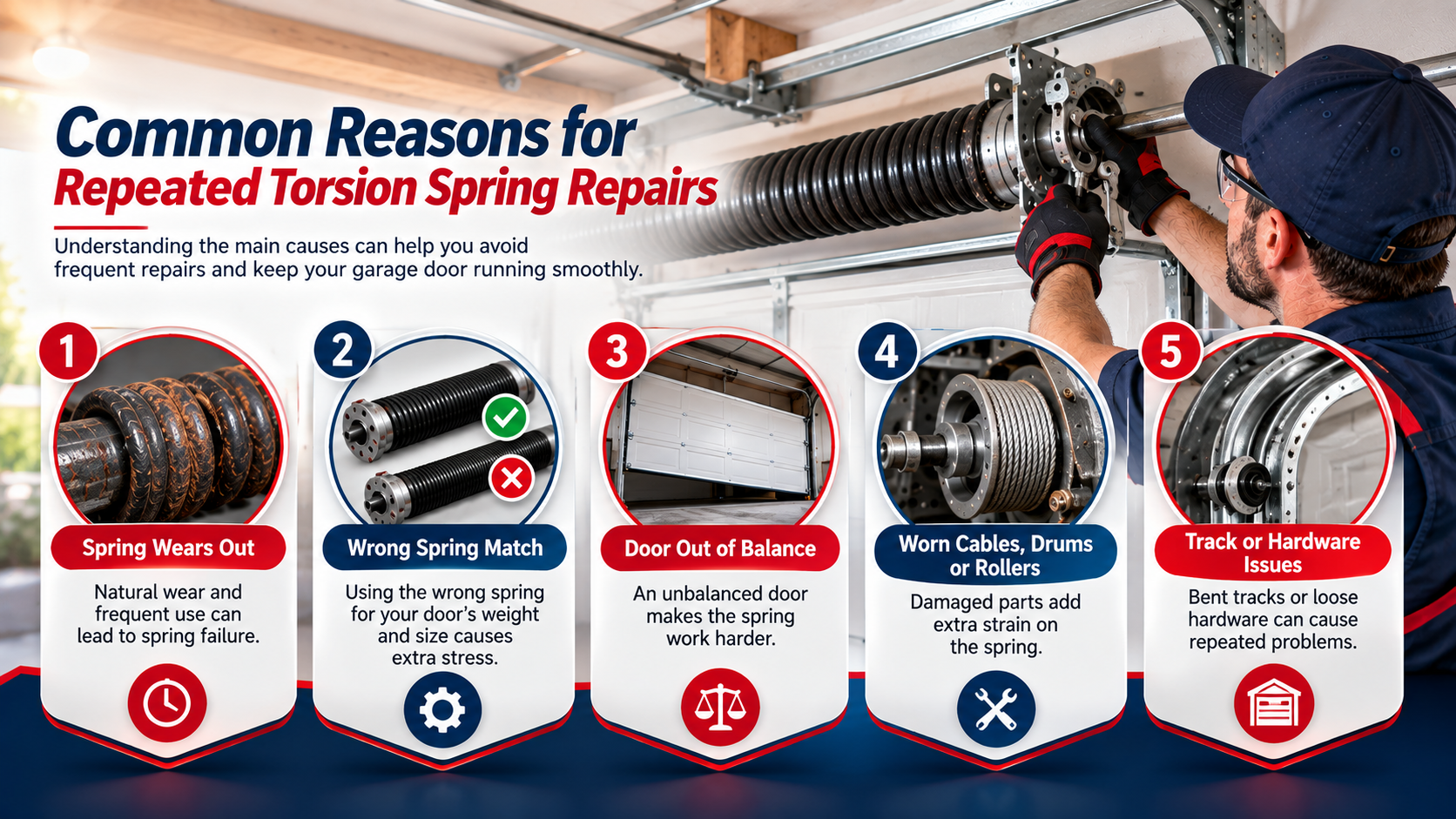
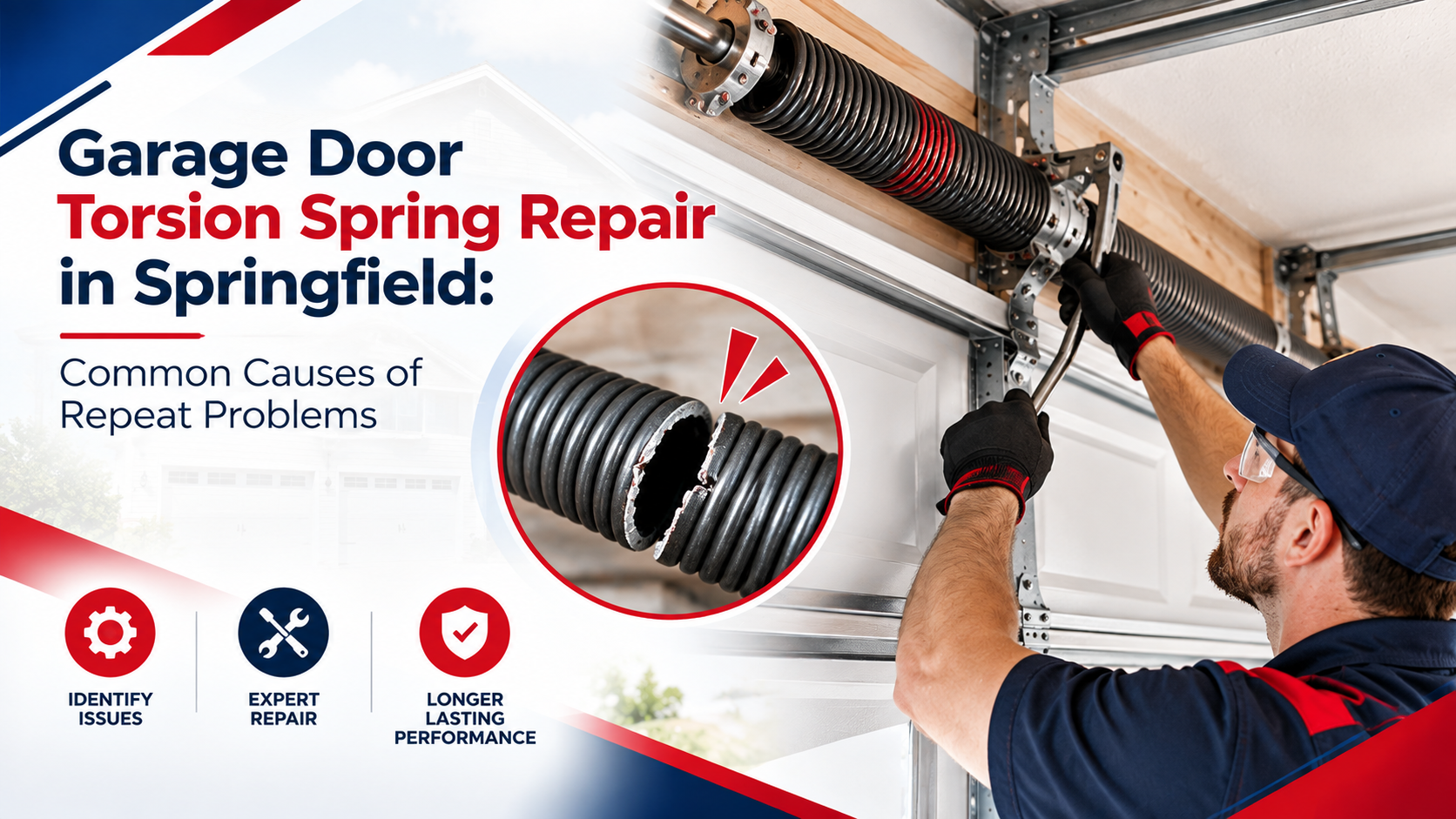
Why Does My Garage Door Spring Keep Breaking? Common Causes Explained

The first time a garage door spring breaks, most homeowners think it was just bad luck.

The second time, it becomes frustrating.

The third time, it becomes expensive.

At that point, the question changes. Instead of asking, “How do I fix this?” homeowners start asking, “Why does this keep happening?”

It’s a fair question.

A garage door spring is designed to handle thousands of opening and closing cycles. Yet some springs fail after only a few years, while others continue working for well over a decade. The difference often has less to do with luck and more to do with factors that most homeowners never see.

If you’ve dealt with a broken garage spring more than once, there is usually an underlying reason. Understanding that reason can help you avoid repeat repairs, improve safety, and extend the life of your entire garage door system.

What Does a Garage Door Spring Actually Do?

Before discussing why springs fail, it helps to understand their role.

Many people assume the garage door opener does most of the lifting. In reality, the springs do most of the heavy work.

Garage door springs store and release energy to counterbalance the weight of the door. Without properly functioning springs, even a standard residential garage door would feel extremely heavy to lift.

Every time the door opens and closes, the springs stretch, unwind, rewind, and absorb stress. Over time, that constant movement takes a toll.

Why Does Your Garage Door Spring Keep Breaking?

If the same problem keeps happening, one of these seven reasons is often responsible.

1.Every Opening and Closing Uses Up Spring Life:

This is the most common cause of spring failure.

Garage door springs are rated by cycles. One cycle equals one complete opening and closing of the door.

Most standard springs are designed for approximately 10,000 cycles. Depending on how often the door is used, that lifespan can vary significantly. A busy household that uses the garage as the main entrance may reach that limit much sooner than expected.

Think about your daily routine.

  • Leaving for work.
  • Returning home.
  • School runs.
  • Weekend errands.
  • Each trip adds more wear to the spring.

If your family uses the garage door multiple times a day, the spring may simply be reaching the end of its designed lifespan faster than you realize.

2.Rust Is Slowly Destroying the Metal:

Rust may seem like a cosmetic problem, but it can dramatically shorten spring life.

When moisture reaches the steel, corrosion begins forming on the coils. As rust develops, friction increases whenever the spring moves. That additional friction creates extra stress, causing the spring to weaken more quickly.

Many Virginia homeowners don’t notice the damage until the spring finally snaps.

The frustrating part?

A small amount of preventive maintenance can often slow this process significantly.

Regular lubrication helps reduce friction and protects the metal from moisture exposure.

3.Virginia Weather Creates Extra Stress:

Virginia weather can be surprisingly tough on garage door systems.

One week may bring freezing temperatures. The next may feel like spring.

Those constant temperature changes affect metal components. As temperatures rise and fall, the steel inside the spring expands and contracts. Over time, this repeated stress contributes to fatigue and wear.

Cold mornings are particularly challenging.

Many technicians report seeing spring failures during colder months because metal becomes less flexible when temperatures drop. Existing weaknesses in the spring become more likely to turn into full breaks.

This is one reason why homeowners throughout Virginia often experience unexpected spring failures during seasonal transitions.

Garage Spring Replacement

4.The Wrong Spring Was Installed:

Not all garage door springs are the same.

Every garage door requires a spring designed for its specific weight, size, and operating requirements.

When an incorrectly sized spring is installed, problems begin immediately.

A spring that is too weak works harder than it should. A spring that is too strong creates imbalance throughout the system. In either case, excessive stress shortens lifespan and increases the likelihood of future failure.

Unfortunately, this is a common reason homeowners experience repeated spring problems after a previous repair, and that leads to garage door spring replacements.

Proper sizing matters more than many people realize.

5.Only One Spring Was Replaced:

This is another issue that often leads to recurring repairs.

Many double garage doors use two springs.

When one spring breaks, homeowners sometimes replace only the damaged spring in an effort to save money.

The problem is that the second spring has usually experienced the same amount of wear.

Imagine replacing one worn tire on a vehicle while leaving the other three untouched. The system becomes uneven.

The same principle applies to garage doors.

When one older spring continues operating alongside a new spring, imbalance develops. This can place additional strain on the remaining spring and increase the chances of another failure.

  1. Lack of Maintenance Is Accelerating Wear

Garage doors are often overlooked until something goes wrong.

That’s understandable. When a system works every day, it’s easy to assume everything is fine.

However, routine maintenance plays a major role in spring lifespan.

Simple maintenance tasks include:

  • Lubricating springs and moving parts.
  • Tightening loose hardware.
  • Inspecting cables.
  • Checking door balance.
  • Scheduling professional inspections.

These small steps help reduce unnecessary stress throughout the system and allow potential problems to be identified before they become expensive repairs.

A little maintenance today can prevent a major breakdown tomorrow.

7.The Entire System Is Working Too Hard:

Sometimes spring isn’t the real problem.

Sometimes the entire garage door system is placing extra stress on the spring.

For example:

  • Worn rollers create resistance.
  • Bent tracks affect movement.
  • Damaged hinges increase strain.
  • Heavy insulated doors require more lifting force.
  • Aging openers may contribute to imbalance.

When the door doesn’t move smoothly, the spring must compensate.

Over time, that additional workload accelerates wear and increases the likelihood of failure.

This is why professional inspections often focus on the entire system rather than just the spring itself.

How Long Should a Garage Door Spring Last?

Most standard garage door springs are designed for approximately 10,000 cycles, which often translates to about 7 to 10 years for the average homeowner. However, lifespan depends heavily on usage frequency, maintenance, climate conditions, spring quality, and proper installation. High-cycle springs can last significantly longer when matched correctly to the door.

The simple truth is that there is no universal expiration date.

Two identical homes can have dramatically different spring lifespans based on how frequently the garage door is used.

Garage Spring Failure

How Can You Prevent Future Spring Failures?

While no spring lasts forever, there are several ways to maximize its lifespan.

  • Preventive Maintenance Checklist.
  • Lubricate springs regularly.
  • Schedule annual garage door inspections.
  • Replace worn rollers promptly.
  • Keep tracks clean
  • Address unusual noises immediately.
  • Ensure springs are correctly sized.
  • Replace both springs when recommended.
  • Upgrade to high-cycle springs if your household uses the garage frequently

These steps won’t eliminate wear entirely, but they can help reduce unnecessary stress on the system.

When Is Garage Door Spring Replacement the Better Option?

Sometimes repairs are no longer the most practical solution.

If the spring has reached the end of its cycle life, replacement is usually the safest and most cost-effective choice.

Repeated repairs on an aging spring often lead to additional expenses without solving the underlying problem.

If your garage door is showing signs of spring fatigue, unusual noises, imbalance, or difficulty opening, professional garage door spring replacement may be the best long-term solution.

If you’ve experienced a sudden spring failure before, be sure to review our guide on emergency situations caused by damaged garage door springs.

You may also find it helpful to read our breakdown of average spring replacement costs and repair options in 2026 when planning future repairs.

What Sets Adams Garage Doors LLC Apart?

When a spring breaks, homeowners need more than a quick fix. They need a solution that prevents the problem from happening again.

Adams Garage Doors LLC helps homeowners throughout Virginia identify the true cause of recurring spring failures rather than simply replacing parts and hoping for the best.

We are trusted by several homeowners because we offer:

  • Professional garage door spring replacement.
  • Accurate spring sizing and balancing.
  • Emergency repair services.
  • Experienced technicians.
  • Honest recommendations.
  • High-quality replacement components.
  • Local Virginia expertise.
  • Fast response times.

Most importantly, their team focuses on restoring the safety, reliability, and long-term performance of your garage door system.

Frequently Asked Questions:

Why does my garage door spring keep breaking?

Repeated spring failures are often caused by high usage, rust, incorrect spring sizing, poor maintenance, or system imbalance. A professional inspection can identify the root cause.

How long should garage door springs last?

Most standard springs last around 10,000 cycles, which often equals 7 to 10 years for the average household. Higher-cycle springs may last considerably longer.

Should both garage door springs be replaced at the same time?

In many cases, yes. If one spring has failed, the second spring has often experienced similar wear and may fail soon afterward.

Can cold weather break a garage door spring?

Cold temperatures can make steel less flexible and increase stress on already worn springs, making winter a common time for failures.

Can I replace a garage door spring myself?

Garage door springs operate under extreme tension and can cause serious injuries if handled improperly. Professional replacement is strongly recommended.

Final Thoughts :

A garage door spring rarely breaks without a reason.

Sometimes it’s age. Sometimes it’s the weather. Sometimes it’s an incorrectly sized spring or a system that has been working harder than it should for years.The good news is that many repeat failures can be prevented once the real cause is identified.

If you’re dealing with a broken garage door spring or want to avoid another unexpected failure, addressing the problem early can save money, improve safety, and help your garage door operate reliably for years to come.

Need Garage Door Help? Get in Touch with Us!

Is Your Garage Door Unsafe? 10 Signs You Need Immediate Repairs

Most homeowners have a list of things around the house that deserve attention. A dripping faucet gets repaired. A loose fence panel gets fixed. Even a noisy air conditioner eventually moves to the top of the weekend to-do list.

But the garage door, however, often escapes notice.

Perhaps that’s because it quietly does its job every day without demanding much attention. It opens when you’re rushing to work, closes when you return home, and becomes such a familiar part of your routine that you rarely stop to think about it.

But here’s something many Virginia homeowners don’t realize: garage doors rarely fail without warning.

Long before a spring snaps or a door comes off track, the system usually starts leaving clues. The trouble is that these clues often appear so gradually that they’re easy to dismiss. A strange sound. A slight delay. A door that doesn’t seem quite as smooth as it used to be.

Then one day, what seemed like a small annoyance suddenly becomes a major problem.

A garage door is one of the largest moving systems in your home. When something goes wrong, it can affect your safety, your security, and your daily schedule. Knowing the warning signs can help you avoid costly breakdowns and determine when it’s time to call for emergency garage door repair.

Why Garage Door Problems Should Never Be Ignored:

Many homeowners adopt a “wait and see” approach when something around the house starts acting up. While that may work for minor issues, it’s rarely a good idea when it comes to garage doors.

A garage door relies on springs, cables, rollers, tracks, sensors, and an opener working together as one system. When one component begins to wear out, the entire system feels the impact.

A damaged spring can place extra strain on the opener. Worn rollers can affect track alignment. Frayed cables can create uneven movement that eventually leads to bigger problems.

Beyond the repair costs, there are also safety concerns. A malfunctioning garage door can become unpredictable, especially when heavy components are involved. For families throughout Virginia, addressing problems early is often the safest and most affordable decision.

1.Loud Grinding, Popping, or Banging Noises:

Garage doors naturally make some noise, but sudden changes in sound should never be ignored.

If your garage door has started producing grinding, scraping, popping, or banging noises, it’s usually a sign that something inside the system is struggling. Rollers may be wearing out, hardware could be loosening, or springs may be approaching failure.

Think of unusual sounds as your garage door’s way of asking for attention. Mechanical systems often become noisy before they become nonfunctional.

2.The Door Moves Unevenly:

A garage door should move smoothly and evenly from start to finish.

If one side appears higher than the other or the door looks crooked while opening, there is likely a problem with the cables, springs, or tracks.

This issue may seem minor at first, but uneven movement places additional stress on the entire system. Over time, the door can become unstable and may even come off track if the underlying problem isn’t addressed.

3.You Have a Broken Garage Spring:

A broken garage spring is one of the clearest signs that immediate repairs are needed.

Many homeowners first notice it because of a loud snapping sound coming from the garage. Others discover the problem when the door suddenly feels much heavier than usual or refuses to open completely.

Garage door springs carry a tremendous amount of tension and are responsible for supporting much of the door’s weight. Once a spring breaks, the system can no longer operate safely.

In most cases, professional garage door spring replacement is the only solution. Attempting to repair or replace springs without proper training can be extremely dangerous.

4.The Garage Door Won’t Open:

There are few household problems more frustrating than a garage door that refuses to open when you’re trying to leave.

The cause could be something simple, such as a sensor issue or opener malfunction. However, it can also point to more serious problems involving springs, cables, or internal components.

When a garage door becomes completely stuck, it often qualifies as an emergency because it can prevent access to your vehicle and compromise daily routines.

5.The Garage Door Won’t Close Completely :

A garage door that won’t close properly creates both convenience and security concerns.

You may notice the door stopping a few inches from the ground or reversing unexpectedly before it fully closes.

This issue is commonly caused by sensor alignment problems, track obstructions, or opener settings that need adjustment. Regardless of the cause, an unsecured garage leaves your home exposed to weather, pests, and potential security risks.

problems of garage doors

6.The Door Appears Off Track :

An off-track garage door is one of the most obvious warning signs that something is wrong.

The rollers may no longer sit properly within the tracks, causing the door to lean or move unpredictably. In some cases, the door may become stuck entirely.

Operating an off-track door can worsen the damage and increase the risk of injury. If you notice this problem, stop using the system and schedule repairs immediately.

7.Frayed or Damaged Cables :

Garage door cables perform a critical job every day, yet they’re often overlooked during routine inspections.

Over time, cables can begin to fray, rust, or weaken due to constant use and exposure to moisture.

Even if the door still appears to function normally, damaged cables should never be ignored. A cable failure can cause sudden and uncontrolled door movement, creating a serious safety hazard.

8.Slow Response Time :

Have you noticed your garage door opener taking longer to respond after pressing the remote?

A delay of just a few seconds may not seem like a big deal, but it often signals an underlying issue.

The problem could involve aging opener components, electrical issues, sensor communication problems, or increased resistance somewhere in the system.

Garage doors rarely go from perfect operation to complete failure overnight. Slow response times are often one of the earliest warning signs.

9.The Door Reverses Unexpectedly:

Modern garage doors are designed with safety features that prevent them from closing when an obstruction is detected.

However, if your door repeatedly starts closing and then reverses for no apparent reason, something isn’t functioning properly.

Misaligned sensors, dirty sensor lenses, mechanical resistance, or opener calibration issues are all possible causes.

While the door may still operate occasionally, recurring reversals indicate that professional attention is needed.

10.Your Smart Garage Opener Stops Responding

Today’s homeowners enjoy more convenience than ever before thanks to connected technology.

A smart garage opener allows you to monitor and control your garage from virtually anywhere. Likewise, a WiFi garage door opener provides added flexibility and peace of mind.

When these systems suddenly stop responding, many homeowners assume the problem is simply an app issue. Sometimes that’s true. However, connectivity failures can also indicate problems with the opener, sensors, or communication systems.

If troubleshooting doesn’t resolve the issue, it’s worth having the system inspected before the problem grows worse.

What Should You Do During a Garage Door Emergency?

If you believe your garage door may be unsafe, taking the right steps can help prevent injuries and additional damage.

  • Stay clear of the door and all moving components.
  • Avoid forcing the door open or closed.
  • Keep children and pets away from the area.
  • Disconnect the opener if the door is behaving unpredictably.
  • Do not attempt to repair springs or cables yourself.
  • Contact a professional emergency repair specialist.

Your safety should always come before convenience.

Why Fast Repairs Save Money:

Many homeowners delay repairs because the garage door still works “well enough.”

Unfortunately, that decision often leads to larger repair bills later.

A worn roller can damage a track. A weak spring can overwork an opener. A small alignment issue can eventually affect multiple components throughout the system.

Addressing problems early not only improves safety but also helps prevent expensive secondary damage.

In many cases, the cost of a simple repair is far less than the cost of replacing several damaged parts later.

safe and secure garage doors.

Why Virginia Homeowners Choose Adams Garage Doors LLC:

When garage door problems happen, homeowners need a company they can trust to respond quickly and provide honest solutions.

Adams Garage Doors LLC has built a strong reputation throughout Virginia by helping homeowners resolve everything from minor issues to urgent repair emergencies. Their experienced technicians understand the challenges created by Virginia weather, daily wear and tear, and modern garage door systems.

Whether you need emergency garage door repair, spring replacement, opener diagnostics, or a complete system inspection, their team focuses on delivering reliable workmanship and clear recommendations.

Virginia homeowners choose Adams Garage Doors LLC because we offer:

  • Experienced technicians.
  • Same-day service availability.
  • Fast emergency response.
  • Honest repair recommendations.
  • High-quality workmanship.
  • Local Virginia expertise.
  • Customer-focused service.

Most importantly, they help restore safety, security, and peace of mind.

Frequently Asked Questions:

What is considered a garage door emergency?

A garage door emergency includes situations where the door is stuck open, stuck closed, off track, or creating a safety or security risk. These issues should be addressed as quickly as possible.

Can a broken garage spring be dangerous?

Yes. A broken spring can make the door unstable and extremely heavy. Because springs are under high tension, repairs should always be handled by trained professionals.

How quickly should emergency garage door repair be scheduled?

Emergency repairs should be scheduled immediately whenever the door becomes unsafe, inoperable, or poses a security concern for your home.

Can I use my garage door if it is off track?

No. Operating an off-track garage door can worsen the damage and increase the risk of injury or property damage.

What should I do if my smart garage opener stops working?

Check the power source, internet connection, and app settings first. If the issue continues, schedule a professional inspection to identify any underlying problems.

Final Thoughts :

Garage doors are easy to take for granted until something goes wrong. The challenge is that most serious failures begin with small warning signs that homeowners often overlook.

If your garage door is making unusual noises, moving unevenly, responding slowly, or showing any of the symptoms discussed above, don’t wait for the problem to become an emergency.

Acting early can protect your family, prevent costly damage, and keep your home secure. And when professional help is needed, Adams Garage Doors LLC is ready to provide the expert service and fast response Virginia homeowners can depend on.

Ready to Begin? Explore Our Website Today

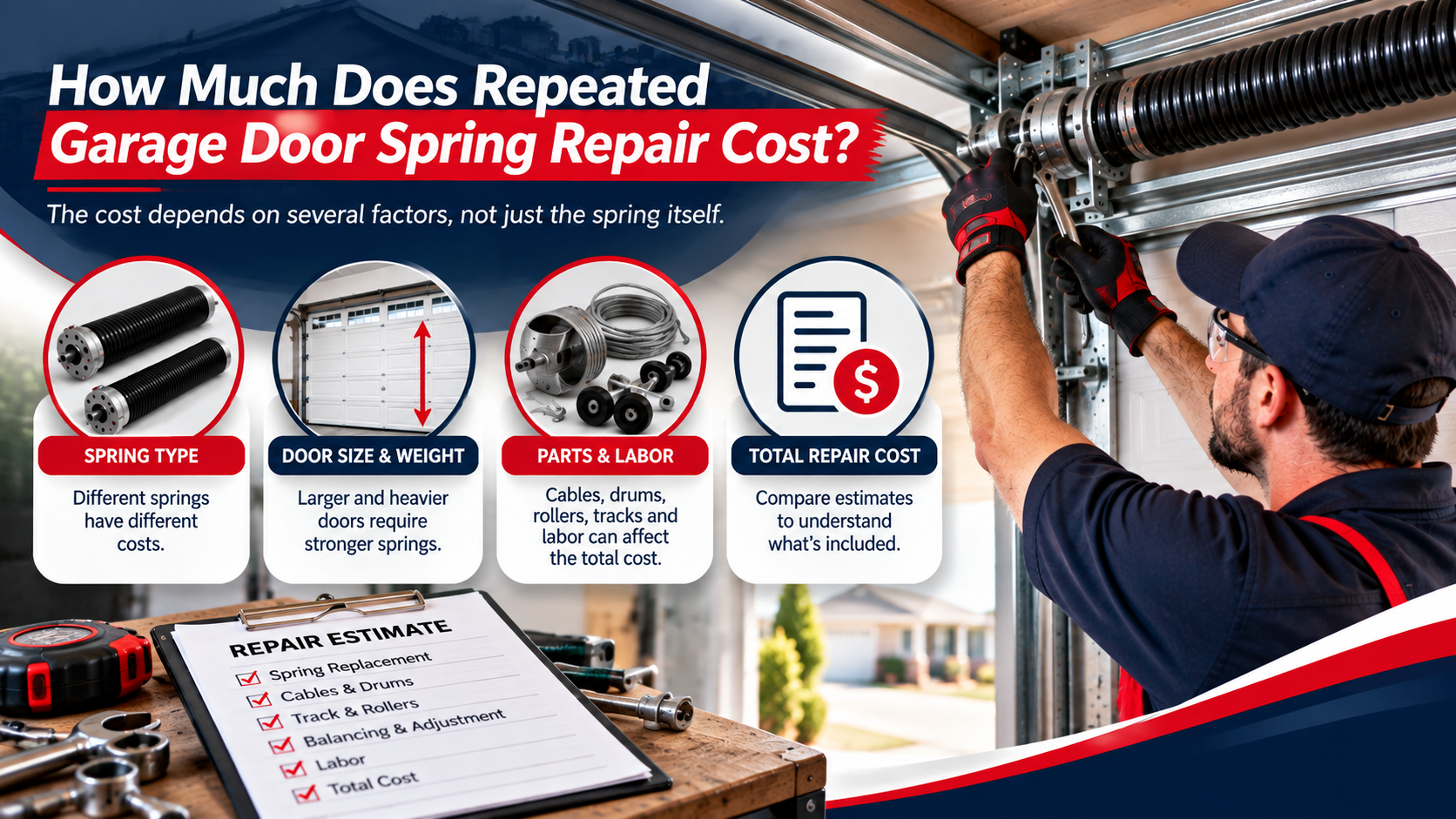
The Real Cost of Garage Door Spring Replacement in 2026

If you’re searching for garage door spring replacement VA services, most homeowners in Woodbridge, Alexandria, Springfield, Fairfax, Manassas, and nearby Virginia communities can expect to pay between $180 and $650 in 2026. The final cost depends on the spring type, garage door weight, labor requirements, and emergency service needs. Professional spring replacement remains the safest and most cost-effective solution for long-term garage door performance.

Quick Cost Snapshot for Virginia Homeowners:

Average Garage Door Spring Replacement Costs in 2026.

  Service Type

Typical Cost Range

Single Spring Replacement

$180-$320

Double Spring Replacement

$280-$550

Torsion Spring Replacement

$250-$650

Emergency Same-Day Service

$300-$750

Full Safety Inspection Included

Often Included

Key Takeaway:

The cheapest quote isn’t always the least expensive option.

Lower-quality springs often fail sooner, resulting in repeat service calls and additional labor expenses.

Why Garage Door Spring Costs Are Rising in 2026:

Several industry factors are affecting pricing throughout Virginia.

Increased Steel Manufacturing Costs:

Garage door springs are manufactured from high-tension steel. Rising material costs continue to impact replacement pricing nationwide.

Higher Demand for Same-Day Repairs:

Many Virginia homeowners now prioritize immediate service, increasing demand for emergency repair appointments.

Skilled Labor Shortages:

Experienced garage door technicians remain in high demand, especially throughout:

  • Woodbridge
  • Alexandria
  • Springfield
  • Fairfax
  • Manassas
  • Lorton
  • Arlington

As demand rises, professional installation becomes even more valuable.

Spring System Comparison

What Impacts Your Final Garage Door Spring Replacement Cost?

Not every garage door uses the same spring system.

Spring Type:

Torsion Springs

Located above the garage door.

Benefits include:

  • Longer lifespan.
  • Better balance.
  • Smoother operation.
  • Improved safety.

Extension Springs:

Located along the side tracks.

Benefits include:

  • Lower upfront cost.
  • Simpler systems.

However, they typically wear out faster.

Door Weight:

Heavier doors require stronger springs.

Examples include:

  • Insulated garage doors
  • Wooden garage doors
  • Custom oversized doors

The heavier the door, the higher the spring rating required.

Emergency Service Requirements :

Need help on a weekend or holiday?

Emergency scheduling often increases total project costs.

Real Virginia Case Study:

A homeowner in Woodbridge recently contacted technicians after hearing a loud bang from the garage.

Initially, they believed the garage opener had failed.

Upon inspection, the issue was identified as a snapped torsion spring.

The homeowner considered a DIY replacement after watching online tutorials.

Fortunately, they chose professional service instead.

Within one visit:

  • Spring replaced.
  • Safety inspection completed.
  • Door rebalanced.
  • Additional wear issues identified.

The entire repair cost less than replacing the damaged opener that could have resulted from continued use.

Lesson Learned:

Small spring problems quickly become larger mechanical issues when ignored.

Signs You Need Immediate Spring Replacement:

Many homeowners miss the early warning signs.

Watch for:

  • Garage door feels unusually heavy.
  • Loud popping or snapping sounds.
  • Crooked door movement.
  • Slow opening speed.
  • Visible gaps in the spring.
  • Door won’t stay open.

Broken Torsion Spring

Quick Summary:

If your garage door suddenly feels heavier than normal, stop using it immediately.

The Virginia Locations Seeing the Highest Demand:

Based on local service trends, growing demand is being seen in:

Northern Virginia :

  • Alexandria.
  • Arlington.
  • Fairfax.
  • Burke.
  • Annandale.

Prince William County:

  • Woodbridge.
  • Dumfries.
  • Manassas.

Expanding Residential Markets:

  • Stafford.
  • Fredericksburg.
  • Lorton.
  • Springfield.

These communities continue to experience significant residential growth, increasing demand for reliable garage door services.

Why Homeowners Choose Adams Garage Doors LLC:

When comparing providers for best garage door spring replacement VA services, experience matters.

Homeowners choose Adams Garage Doors LLC because of:

  • Highly trained technicians.
  • Fast response times.
  • Same-day service availability.
  • Quality replacement parts.
  • Transparent pricing.
  • Comprehensive safety inspections.

Industry Prediction for 2027:

Industry experts expect garage door systems to become increasingly integrated with smart-home technology.

As doors become heavier and more advanced, spring systems will play an even larger role in operational safety.

Homeowners who invest in high-quality spring replacements today may avoid significantly higher repair expenses in future years.

Frequently Asked Questions:

How long do garage door springs last?

Usually 7 to 12 years.

Can I replace one spring only?

Not recommended for dual systems.

Is spring replacement dangerous?

Yes. Springs contain extreme tension.

How long does replacement take?

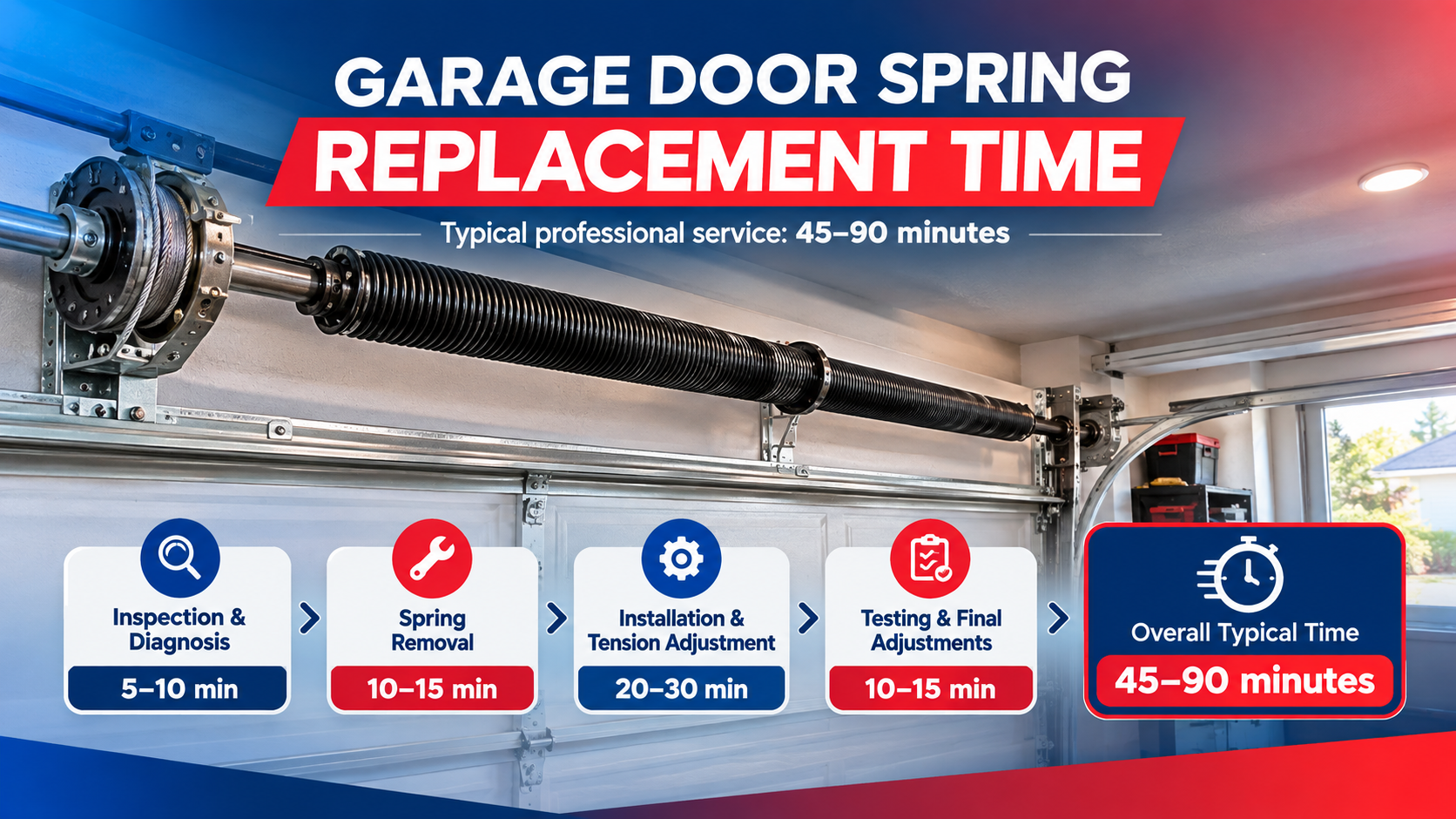
Typically 1 to 2 hours.

Should I use my garage door with a broken spring?

No. Stop using it immediately.

Do new springs come with warranties?

Most professional services offer warranties.

Final Thoughts:

A broken spring may seem like a small component failure, but it directly affects your garage door’s safety, performance, and lifespan.

For homeowners throughout Woodbridge, Alexandria, Springfield, Fairfax, Manassas, Arlington, Lorton, Stafford, and surrounding Virginia communities, professional garage door spring replacement remains one of the smartest investments in property protection.

Waiting often increases repair costs.

Acting early helps prevent larger issues while keeping your garage door operating safely and efficiently.

Schedule a professional inspection today and restore your garage door’s performance before a minor spring issue becomes a major repair expense.

Learn more by visiting our website today.

Garage Door Opens Halfway Then Stops? Here’s What’s Usually Wrong

Most garage door opener issues don’t start as failures.

They start as small changes.

A slight delay when you press the remote. A door that pauses for a second before moving. A sound that feels a bit different than usual. Nothing dramatic at first.

Then one day, it doesn’t respond at all.

For homeowners, especially in busy routines, that moment always feels sudden. You are ready to leave, or just getting home, and the garage door simply doesn’t cooperate.

In most cases, this situation is not about a complete breakdown. It is usually a small fault in power, sensors, remote communication, or mechanical resistance.

Understanding these patterns helps you respond faster. 

Book a prompt garage door opener repair service, and avoid unnecessary stress.

Let’s get started!

1. When the Garage Door Stops Responding:

This is the most common issue homeowners face. You press the remote, and nothing happens. No movement. No sound.

Before assuming the opener has failed, it is important to slow down and check a few basic things.

Often, the issue is not the motor itself.

Start with power. Garage door openers are surprisingly sensitive to something as simple as a tripped breaker or a loose plug. After that, check whether the wall button works. If it does, the problem usually sits in the remote or signal system.

Remote batteries are another frequent cause. They weaken slowly, which is why the problem often feels sudden even though it isn’t.

In some cases, the opener simply loses its programming after a power fluctuation. Re-syncing the remote with the opener often restores normal function.

2. When the Door Starts but Doesn’t Move Smoothly:

Sometimes the opener responds, but the door behaves differently. It may move slowly, hesitate, or stop halfway.

This usually indicates resistance somewhere in the system.

Garage doors rely on balance. If the door itself is heavier on one side or there is friction in the tracks, the opener struggles to complete the movement. Over time, this creates extra pressure on the motor.

Even small issues like dry rollers or slight track misalignment can affect movement.

A quick inspection of the door’s physical path often reveals whether the issue is mechanical rather than electronic.

If the door feels heavy when manually lifted, the opener is likely compensating for a deeper mechanical issue.

3. When the Remote Works Intermittently

Intermittent operation is one of the most frustrating problems because it feels unpredictable.

One moment, everything works normally. Next, nothing happens.

In many cases, this comes down to weak signal strength or interference. Modern homes have many devices that operate on similar frequencies, which can affect garage door communication.

LED lighting, for example, can sometimes interfere with older opener systems. Even the position of the antenna on the motor unit can affect range and reliability.

There are also situations where the remote itself is wearing out internally. Buttons become less responsive, or internal contacts weaken over time.

When the problem is inconsistent, it is usually not a full system failure. It is a signal or connection issue that is gradually getting worse.

You can book a top-notch garage door opener repair service from a reliable provider to avoid this and further situations. 

Garage Door Issue

4. When the Garage Door Reverses Before Closing

This is a built-in safety response.

Garage door systems are designed to reverse when they detect resistance or obstruction. But when it happens frequently, even without anything blocking the door, something is wrong.

In many cases, the safety sensors near the bottom of the door are misaligned or slightly dirty. Even a small shift can interrupt the signal between them.

Sunlight can also interfere in certain positions, causing the system to misread the path as blocked.

Another possible reason is incorrect sensitivity settings on the opener itself. If the force setting is too low, the system reacts too quickly and reverses unnecessarily.

While this issue is often simple, it should not be ignored because it directly affects safety and reliability.

5. When the Opener Runs but the Door Stays Still:

This situation usually points to a mechanical disconnect.

You hear the motor working, but the door does not move.

In many cases, the drive mechanism inside the opener is worn or disengaged. The chain, belt, or internal gear system may not be transferring force properly.

Sometimes the emergency release has been triggered accidentally, disconnecting the door from the opener system.

When this happens, the motor is technically working, but it is no longer connected to the door itself.

This type of issue is usually not something to force or repeatedly test, because it can increase wear on internal components.

Why These Problems Should Not Be Ignored:

Garage door opener issues tend to escalate gradually.

What starts as a delay or small inconsistency often leads to complete failure if ignored.

A struggling opener puts extra load on the entire garage system. Springs, tracks, rollers, and cables all end up compensating for that strain.

Over time, this can turn a simple adjustment into a much larger repair.

There is also the safety aspect. A malfunctioning opener can behave unpredictably, especially when sensors are not working correctly.

That is why early attention matters more than most homeowners realize.

A Note on Professional Repair Support

While some small checks can be done safely at home, not every issue should be handled manually.

If the problem involves internal motor components, electrical faults, or repeated failure after basic troubleshooting, it is better to have the system inspected by a professional.

A trained technician can quickly identify whether the issue is:

  • electrical.
  • mechanical.
  • sensor-related.
  • or a combination of multiple factors.

This saves time and prevents unnecessary trial and error.

For homeowners dealing with persistent issues, Adams Garage Doors LLC provides professional garage door opener repair services, diagnostics, and system support to restore safe and reliable operation. With a team of expert professionals, we can fix any of your garage door problems in no time!

Garage Opener Service

FAQ:

What is the most common garage door repair?

The most common repair is fixing broken springs or sensor misalignment issues. These problems stop the door from opening or closing properly.

Is repairing a garage door opener better than replacing it?

Repair is usually better if the opener is under 10–12 years old and the issue is minor. If it keeps breaking or is outdated, replacement is more cost-effective long-term.

Can I replace a garage door opener myself?

It is possible for experienced DIY users, but it involves electrical wiring and heavy lifting. Most homeowners prefer professional installation for safety and proper setup.

Why is my garage door opener not working?

It often stops working due to power issues, dead remote batteries, or misaligned sensors. In some cases, it can also be a motor or internal gear problem.

Final Thought:

Garage door opener problems rarely appear without warning.

They usually begin quietly. A small hesitation. A sound that feels slightly different. A response that takes just a bit longer than usual.

Most people only notice the problem when the system finally stops working.

But in reality, the system was already showing signs.

Recognizing those early signals is what helps prevent sudden breakdowns and keeps your daily routine running smoothly.

To get a fast garage door opener repair service, call Adams Garage Doors LLC today!

The Future of Garage Access: Smart Entry Systems Explained

At 6:42 PM, somewhere outside Washington, D.C., a homeowner stuck in traffic checks their phone and sees a notification:

“Garage door opened.”

A package was delivered.

Their teenager just got home from practice.

The lights inside the garage turned on automatically.

And for a few seconds, something small but powerful happens.

Relief.

Not because the garage opened. But because they knew what was happening at home without being there.

That’s the shift happening quietly across homes in Virginia and DC right now.

Garage doors are no longer just heavy panels that move up and down. They’re becoming part of a connected lifestyle built around visibility, control, automation, and security.

And by 2026, that shift is accelerating fast.

The Garage Door Is No Longer “Background Technology”

For years, garage doors were treated like appliances.

You pressed a remote. The door opened. End of story.

But homeowner expectations have changed.

People now expect their homes to:

  • respond faster.
  • communicate in real time.
  • integrate with daily routines.
  • improve security automatically.

And strangely enough, the garage has become one of the most important entry points in that entire ecosystem.

Why?

Because for many families, the garage is the real front door.

It’s how people enter the home every single day.

That changes how homeowners think about access.

Smart Garage Systems Are Changing Daily Life:

The biggest misconception about smart garage systems is that they’re only about convenience.

They’re not.

They’re about reducing friction in everyday life.

Imagine this:

You leave for work halfway into a Northern Virginia commute and suddenly wonder:

“Did I close the garage?”

Five years ago, you either drove back or spent the day thinking about it.

Now?

You check your phone in two seconds.

That tiny interaction changes behavior.

Modern systems now allow homeowners to:

  • monitor garage activity remotely.
  • receive real-time alerts.
  • open or close the garage from anywhere.
  • create temporary guest access.
  • connect garage access with smart lighting and security systems.

The technology feels subtle at first.

Then suddenly, it becomes difficult to imagine living without it.

Why VA & DC Homes are Adopting Smart Garage Technology Faster

The lifestyle around Northern Virginia and DC creates the perfect environment for smart access systems.

People here move constantly.

Long commutes. Hybrid work schedules. Frequent travel. Busy family routines.

That means homeowners value two things deeply:

  • convenience
  • visibility

And smart garage systems deliver both.

In urban and suburban neighborhoods, homeowners are also becoming more aware of:

  • package theft.
  • security vulnerabilities.
  • unattended deliveries.
  • open-garage accidents.

A standard remote opener simply doesn’t solve those concerns anymore.

That’s why modern garage door opener & installation services are becoming part of broader smart-home upgrades across the region.

The Smartest Feature Isn’t What Most People Expect

People often assume the best feature is voice control.

Or smartphone access.

Or automation.

But surprisingly, the feature homeowners talk about most is awareness.

Knowing.

Knowing whether the garage is open.

Knowing who accessed it.

Knowing your home is secure while you’re away.

That constant visibility changes how homeowners feel.

And psychology plays a much bigger role here than most tech blogs admit.

Why Smart Access Feels Safer

Traditional garage access worked on trust.

You pressed the button and assumed everything worked.

Smart systems replace assumptions with confirmation.

That difference matters emotionally.

Especially for:

  • parents
  • travelers
  • busy professionals
  • homeowners with deliveries arriving daily

Modern systems reduce uncertainty.

And once homeowners experience that, old-style remotes start feeling surprisingly outdated.

What Smart Garage Systems Can Actually Do in 2026

The technology itself has evolved quickly.

But the real transformation is happening in how systems interact with homeowner behavior.

Modern smart garage systems now offer:

Remote Monitoring:

Homeowners can check garage status from anywhere instantly.

Real-Time Alerts :

Notifications appear when:

  • the garage opens
  • closes
  • stays open too long
  • detects unusual activity

Voice Integration

Garage systems now integrate smoothly with:

  • Alexa.
  • Google Home.
  • Apple Home ecosystems.

Smart Scheduling

Some systems automatically close at night or follow usage routines.

Delivery Access Control

Temporary access can be granted for deliveries or guests without sharing physical remotes.

Integrated Security :

Garage systems now work alongside:

  • cameras.
  • lighting.
  • alarms.
  • motion detection systems.

The garage is no longer isolated technology.

It’s becoming part of a fully connected home environment.

The Quiet Rise of AI-Powered Garage Systems :

This is where things get interesting.

The next phase of smart garage evolution is not about opening doors faster.

It’s about systems becoming predictive.

AI-powered systems are beginning to learn patterns.

For example:

  • when homeowners usually arrive home.
  • unusual opening times.
  • repeated failed access attempts.
  • maintenance behaviors.

Future systems may soon:

  • detect early motor strain.
  • identify spring imbalance before failure.
  • recommend maintenance automatically.
  • recognize unusual movement patterns.

In other words, garage systems are shifting from reactive to intelligent.

That changes the entire industry.

Traditional Garage Openers Are Starting to Feel Old :

This transition is happening quietly.

No one wakes up thinking:

“My garage opener feels outdated.”

But the feeling develops slowly.

You visit a friend’s house.

Their garage opens automatically as they arrive.

Their phone alerts them when deliveries arrive safely.

Their lights activate instantly.

Their garage closes itself at night automatically.

And suddenly your own system starts feeling… disconnected.

That’s how technology shifts happen.

Not through pressure.

Through comparison.

 garage door opener installation

Smart Homes Need Smarter Entry Systems:

Many homeowners invest heavily in:

  • smart thermostats.
  • video doorbells.
  • home assistants.
  • smart locks.

But the garage often gets ignored.

Which is strange, because it’s usually the largest moving system in the house and one of the most frequently used access points.

A disconnected garage creates friction inside an otherwise connected home.

That’s why garage modernization is becoming a priority in 2026 smart-home planning.

Why a Professional Garage Door Opener & Installation Matters

Smart systems are only as good as the setup behind them.

And this is where many homeowners underestimate the process.

Modern garage technology involves more than mounting a device.

It requires:

  • WiFi calibration.
  • system compatibility checks.
  • secure network integration.
  • opener synchronization.
  • smart-home ecosystem setup.

Poor installation creates:

  • delayed response.
  • unstable connectivity.
  • security vulnerabilities.
  • inconsistent automation behavior.

That’s why professional garage door opener & installation has become increasingly important as systems become more advanced.

Especially in connected homes where multiple devices interact with each other.

Why Homeowners Trust Adams Garage Doors LLC

Technology changes quickly.

But homeowners still want the same thing they’ve always wanted:

Clear advice from someone who understands what actually works.

That’s why many homeowners across Virginia and DC turn to Adams Garage Doors LLC for smart garage upgrades and modern opener systems.

Our team helps homeowners:

  • choose systems that fit their lifestyle.
  • integrate smart access correctly.
  • upgrade older openers safely.
  • improve reliability and security.

We provide:

  • experienced technicians.
  • same-day service availability.
  • modern opener installation.
  • transparent recommendations without pressure.

More importantly, they understand how modern homeowners actually use these systems in real life.

Not just how the technology works.

The Future is Bigger Than Garage Doors:

By 2026, the garage itself is evolving into something larger.

Not just storage.

Not just parking.

But a connected transition space between:

  • home.
  • transportation.
  • delivery systems.
  • automation.
  • security ecosystems.

Especially with the rise of:

  • EV charging.
  • remote work.
  • smart deliveries.
  • AI-driven monitoring.

…the garage is becoming one of the smartest parts of the home.

And most homeowners still don’t realize how quickly that shift is happening.

What Should Homeowners Actually Upgrade First?

Not every home needs a full smart transformation immediately.

But most homeowners benefit from starting with:

  • a modern smart opener.
  • remote monitoring access.
  • integrated security alerts.
  • smartphone controls.

Those upgrades alone dramatically improve convenience and awareness.

And once homeowners experience that level of control, expanding the system usually feels natural.

Frequently Asked Questions:

Are smart garage doors worth upgrading in 2026?

Yes. Modern systems improve convenience, security, remote access, and integration with connected homes.

Can I control my garage door from my phone?

Most smart garage systems now allow full remote monitoring and control through mobile apps.

Are smart garage systems secure?

When professionally installed and configured correctly, they offer strong security features including alerts, encrypted access, and activity monitoring.

How long does a smart garage installation take?

Most garage door opener & installation projects can be completed within a few hours, depending on the system.

Can smart systems work during power outages?

Many modern systems include battery backup options for temporary operation during outages.

Final Thought :

Garage doors used to sit quietly in the background of homeownership.

Functional. Forgettable. Mechanical.

But that’s changing.

In 2026, garage systems are becoming smarter, more aware, and more connected to the way people actually live.

Not because homeowners suddenly care more about garage doors.

But because they care more about control, visibility, convenience, and peace of mind.

And increasingly, the garage is where all of those things come together.

Learn more, Contact Us for Smart Garage Solutions

Reliable Commercial Garage Door Solutions for Smooth Daily Logistics Operations: A Guide

Warehouse operations, distribution facilities, and logistics centers are all reliant on speed. It only takes one hiccup at the loading bay for everything to get thrown off schedule and pose hazards. It is no wonder, then, that many entrepreneurs are focusing their attention on their garage doors and access systems.

Businesses that require reliable garage door installation services will need to make sure they have the proper equipment. Commercial garage doors are more than entryways; they are essential for efficient processes.

Why Commercial Garage Doors Matter in Logistics Operations:

The frequent operation of garage doors in logistics and warehouses makes the door wear out. When the system is old or improperly installed, issues can arise fast.

An effective commercial garage door can enable companies to:

  • Increase their loading and unloading efficiency
  • Keep products safe from environmental elements and theft
  • Avoid downtime and costly repairs
  • Ensure workers’ safety
  • Synchronize transportation plans

Today’s logistics companies require reliable systems that can cope with frequent use.

Signs Your Commercial Garage Door Needs Replacement:

Most business owners do not bother about minor problems until the whole system stops functioning. Never ignore early warnings.

Sluggish Door Movement :

Slow opening or closing of the door suggests possible malfunction of the motor and/or rails.

Strange Grinding Noise:

Noises may indicate that the spring, rollers, or hardware parts are worn out.

High Repair Costs:

High repair costs suggest that the entire door system is close to its end.

Misalignment of the Door:

Misaligned doors may pose a threat to safety both for people and transport means.

Increased Utility Bills:

Old doors with low insulation let cold and warm air pass through freely.

The replacement of a dysfunctional system is critical to avoid costly downtimes.

 Logistics Garage Door

How Predictive Maintenance Supports Commercial Logistics:

The concept of predictive maintenance has become essential for today’s logistics organizations. Rather than reactively addressing equipment issues, proactive measures are taken prior to any issues developing.

Commercial garage doors play a significant role within this context.

Advantages of Predictive Maintenance :

  • Less Downtime: Routine checks allow for early detection of minor issues.
  • Increased Safety: Properly maintained systems minimize risks of accidents in the work environment.
  • Increased Equipment Lifespan: Preventive maintenance increases longevity of doors, springs, and openers.
  • Enhanced Operational Efficiency: Effective door operation enhances speed at loading docks.

Companies operating in high-traffic commercial zones within Maryland and Virginia commonly utilize preventive maintenance strategies to prevent operational disruptions.

Choosing the Right Expert for Commercial Garage Door Installations:

However, not every garage door is appropriate for all businesses. Logistics warehouses require sturdy doors designed for heavy use.

Features to Consider:

Durable Material: Steel garage doors are common since they can withstand frequent use and unfavorable weather conditions.

Insulation: Insulated doors aid in maintaining consistent temperature inside and increase energy efficiency.

Speed: High-speed doors decrease waiting times for delivery trucks and employees.

Security Measures: Garage door systems today have improved locking mechanisms and electronic access control features.

Installation by Experts: Proper installation guarantees that the doors work efficiently from the start.

Collaborating with experts prevents potential issues during operations.

professional garage door installation

Why Professional Installation Matters:

Commercial garage doors are heavy systems. If installed wrongly, they pose danger to users as well as requiring costly repairs in the future.

   Professional installers know about:

  • Balance of door
  • Tension in springs
  • Alignment of motor
  • Setting up sensors
  • Requirements for commercial buildings

Trained professionals also assist companies in selecting appropriate systems.

Garage Door Solutions for Maryland and Virginia Businesses:

Garage door systems in commercial properties in both Maryland and Virginia have varying climatic changes, busy traffic operations, and busy storage activities.

It is necessary for businesses such as those in the storage sector to be equipped with reliable garage doors in their performance every day.

Today, garage door services in Maryland and VA have been tailored to enhance reliability, energy efficiency, and safety.

Conclusion:

Logistics companies need to ensure that their garage doors do not cause any disruptions in their operations. Having an efficient system ensures efficiency in the operation of their business. Proper maintenance and installation will also lower costs associated with repairs and breakdowns.

When businesses are looking for commercial garage door installation services in Maryland, VA, they need to consider the experience of the company.

Adams Garage Doors LLC offers efficient commercial garage door services to ensure business efficiency.

For learn more, Contact Our Commercial Garage Door Experts Today

FAQs:

Q1. How frequently should garage doors in businesses get their services?

Garage doors should be checked and serviced at least two times per year, preferably when they are heavily used.

Q2. Which garage door suits a business involved in logistics?

Garage doors made from insulated steel that offer high speed and operate effectively are preferred by companies engaged in logistics.

Q3. Why do I need to have my garage door installed professionally?

Professional installation provides greater safety and ensures that your garage door will work well in the future.

Q4. Is predictive maintenance effective in reducing repair costs?

Indeed, it is very efficient since it allows detecting potential problems early enough.

Need professional assistance? Our experts are available 24/7 to help whenever you need support.